Get a free estimate.
Nassau & Suffolk County.
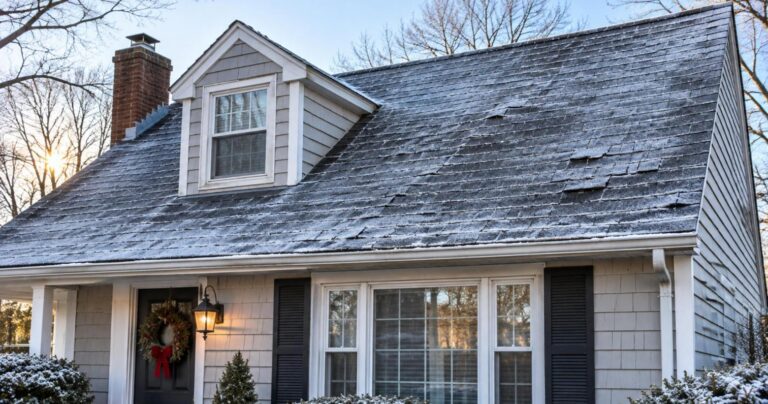
Preparing your roof before winter can help prevent leaks, ice dams, damaged shingles, and expensive interior repairs. Long Island homes face a difficult mix of freezing winds, coastal snow, wind-driven rain, and temperature swings throughout winter. Homes in Nassau County and Suffolk County may also deal with salt-laden air that can affect exposed metal components over time. The best preparation starts before snow accumulation begins. A professional inspection, basic roof cleaning, gutter maintenance, and a review of attic ventilation can identify roof problems while there is still time to complete roof repair or other preventive work.
Schedule a Professional Roof Inspection Before Winter
A professional inspection should be one of the first steps in winter roof preparation. A roofing contractor can evaluate asphalt shingles, ridge caps, roof valleys, metal flashing, roof penetrations, the drip edge, and other areas that homeowners may not safely see from the ground. Small defects matter because winter moisture can enter an opening, freeze, expand, and make the damage worse. New York’s Residential Code also treats flashing, drainage, roof coverings, and weather protection as important parts of the complete roofing system.
Signs Your Roof May Need Repair Before Snow Arrives
Missing or cracked asphalt shingles, loose ridge caps, exposed fasteners, damaged chimney flashing, and stains on interior ceilings should not be ignored before winter. A roof may also have trouble around vents, skylights, pipe openings, or other roof penetrations. Water leaks that seem minor during fall rain can become more serious after repeated freezing and thawing. If the roof deck is soft or moisture has already reached the attic, delaying repairs can lead to mold growth or damaged roof materials. An inspection can determine whether targeted repairs are enough or whether roof replacement should be considered.
| Area to Check | What to Look For |
|---|---|
| Shingles | Missing, cracked, curling, or loose asphalt shingles and exposed nails |
| Ridge caps and edges | Loose ridge caps and damaged edges |
| Flashing | Damaged chimney flashing or deteriorated sealant around roof openings |
| Gutters and downspouts | Debris, blocked downspouts, and loose or damaged brackets |
| Roof valleys and drip edge | Leaves and debris, or damaged shingles and flashing |
| Attic | Damp insulation, mold growth, blocked vents, and visible moisture |
| Interior ceilings | Water stains that may signal a roof leak |
Clean Gutters and Check Roof Drainage
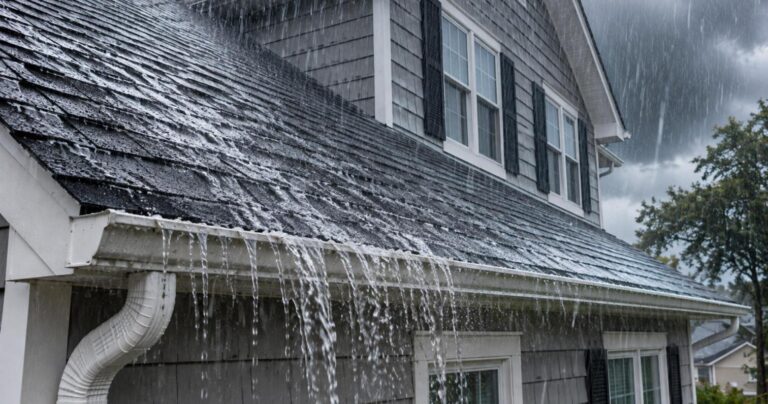
Gutters need to move rain and melting snow away from the roof efficiently. Leaves, roofing granules, twigs, and other debris can block drainage and allow water to collect near the roof edge. When temperatures drop, trapped water may freeze and add to snow and ice buildup. Homeowners should clean gutters, confirm downspouts are open, and inspect gutter brackets for movement or damage. Gutter guards can reduce some debris, but they still need inspection. Good gutter protection helps water leave the roofing system instead of collecting near the fascia, drip edge, or foundation.
Check Roof Valleys and the Drip Edge
Roof valleys carry a large amount of water because two roof slopes direct runoff into the same area. Leaves and debris can slow that drainage, while damaged shingles or flashing may allow water below the roof surface. The drip edge also plays an important role by directing runoff away from vulnerable roof edges. New York roofing requirements address flashing and weather protection because poor drainage can lead to moisture entering the roof assembly. Homeowners should have roof valleys cleared and damaged components repaired before freezing conditions make these areas harder to inspect.
Prepare Your Attic to Reduce Ice Dams
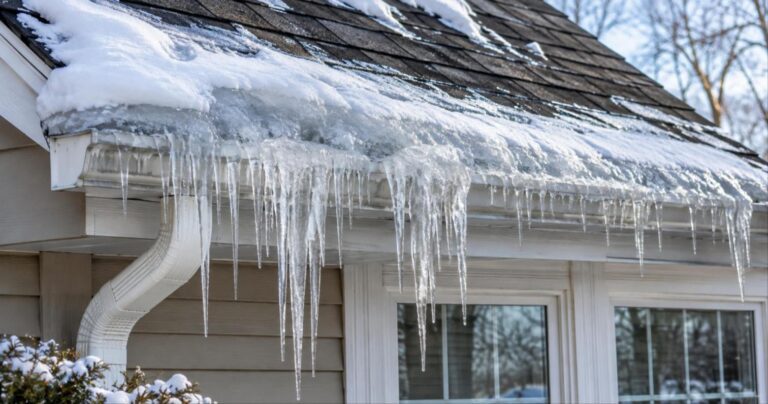
Ice dams often begin with heat loss rather than a problem on the outside of the roof. Warm air escaping into the attic can heat the roof deck and melt snow above it. Water then moves toward colder roof edges, where it freezes and creates ice formation. Additional meltwater can collect behind the ice and move beneath roofing materials. New York’s weatherization guidance explains that proper ventilation can help keep the roof surface cooler during winter and reduce ice damming.
Improve Attic Ventilation and Control Moisture
Proper attic ventilation helps manage both temperature and moisture. Attic vents should allow air to move through the space without being blocked by insulation or stored items. Excess attic condensation can dampen insulation, contribute to mold growth, and eventually affect the roof deck. New York guidance for vented attics explains that air sealing and insulation work with ventilation to maintain a colder winter roof surface. A ventilation upgrade may improve energy efficiency while helping protect roofing systems from moisture-related problems.
Inspect Flashing Around Chimneys and Roof Openings
Metal flashing protects areas where roofing materials meet chimneys, walls, skylights, plumbing vents, and other penetrations. These locations are vulnerable because water must be redirected around an interruption in the roof surface. Damaged chimney flashing or deteriorated sealant can allow wind-driven rain and melting snow into the roofing system. Cold-weather sealants may be appropriate for certain repairs, but sealant alone should not replace damaged flashing. New York’s residential roofing code specifically requires flashing around roof openings and at changes in roof slope or direction to help prevent moisture entry.
Look for Loose or Damaged Asphalt Shingles
An asphalt shingle roof should be checked for curling, cracking, missing shingles, exposed nails, and damaged edges before winter storms arrive. Freezing winds and coastal weather can place additional stress on roofing materials that are already loose. Shingle cracking can also allow moisture to reach the underlayment and roof deck. Homeowners should avoid trying to glue down large damaged areas themselves. A roofing contractor can determine whether individual asphalt shingles can be replaced or whether deterioration affects a larger section. Addressing loose shingles early helps reduce the chance that winter wind removes additional roofing material.
Prepare for Snow and Ice Buildup Safely
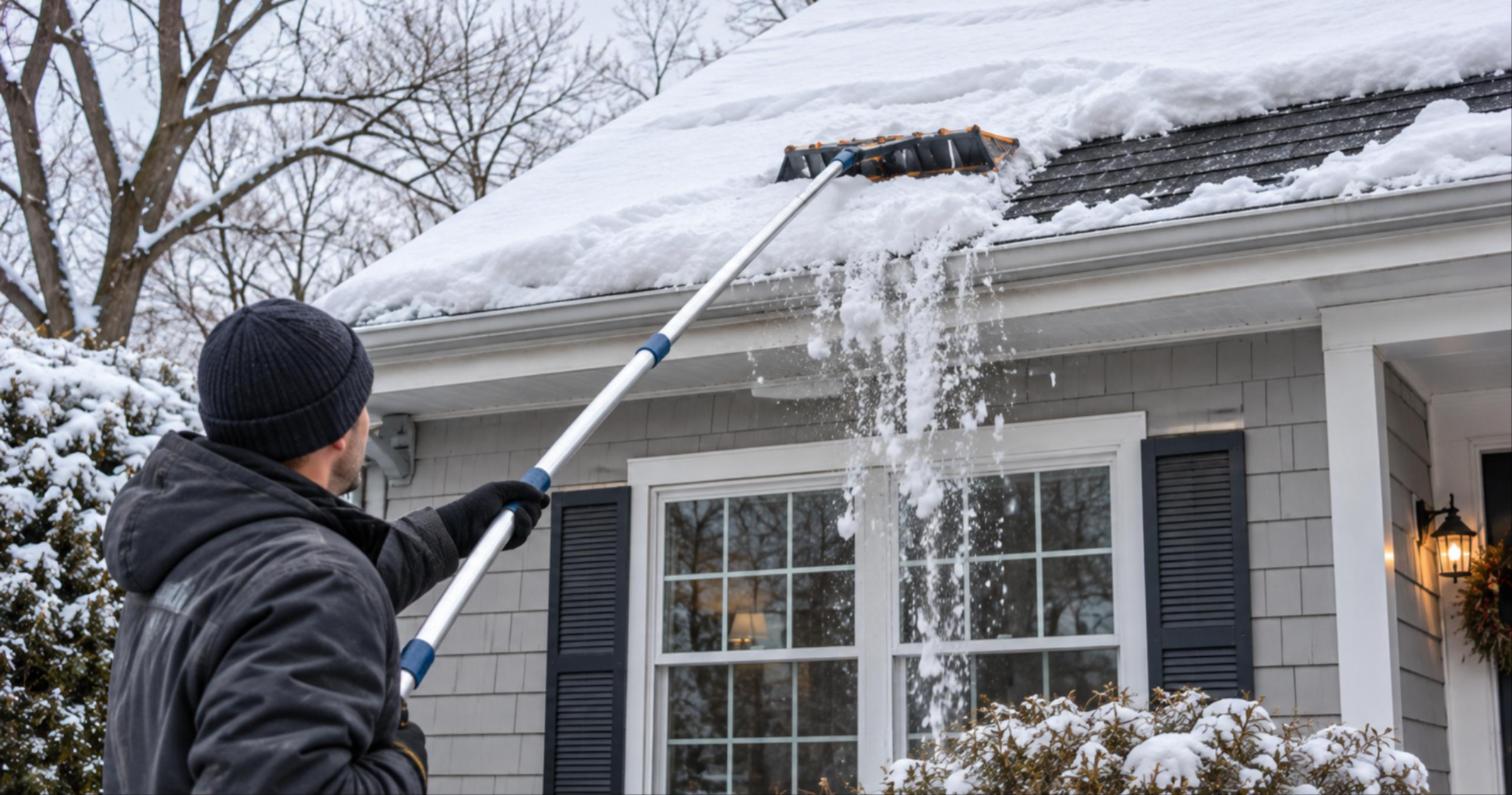
Snow accumulation should be monitored, especially after repeated storms or periods when heavy wet snow remains on the roof. Most homeowners should not climb onto a snow-covered roof because ice conditions create a serious fall hazard. A roof rake may help remove snow near the edge when it can be used safely from the ground. Avoid scraping directly against asphalt shingles or striking roof vents and flashing. For unusual snow overload concerns, contact professional crews with proper safety equipment rather than attempting roof cleaning yourself. Snow removal should protect the roofing system without creating additional damage.
Consider Snow Guards and Heating Cables Carefully
Heating cables and snow guards can help with specific winter problems, but they are not substitutes for a healthy roofing system. Heating cables may help keep limited drainage paths open where recurring ice formation occurs. Snow guards are more commonly used on smooth metal roofing, where sheets of snow can slide suddenly from the roof. Both systems need correct placement and installation. If ice dams repeatedly form on an asphalt shingle roof, the underlying cause may be heat loss, insufficient insulation, or poor attic ventilation. Correcting the cause usually provides more lasting protection than treating only visible ice.
Check Metal Roofing and Exposed Components for Corrosion
Metal roofing, steel roofing, flashing, fasteners, and gutter components can face additional exposure in coastal parts of Long Island. Salt-laden air, moisture, and freezing temperatures may contribute to corrosion when coatings are damaged or metal components are already deteriorating. Standing water around fasteners or seams can also create problems over time. Homeowners should have loose panels, damaged flashing, and visible corrosion inspected before winter. Different roofing materials have different maintenance needs, so repairs should follow the product manufacturer’s instructions rather than using the same repair method for asphalt shingles and metal roofing systems.
Review Roof Repairs, Permits, and Insurance Before a Major Project
If an inspection reveals extensive damage, homeowners may need more than seasonal maintenance. Roof replacement or structural repairs may involve local building permits and applicable building codes. New York’s Department of State confirms that the 2025 Uniform Code became fully effective on December 31, 2025. Permit requirements can still vary by municipality, so homeowners should check with the local building department. When storm damage is involved, review insurance coverage and document conditions before major work begins. Keeping photographs and a professional inspection report can make the damage easier to explain.
Make Winter Roof Maintenance Part of Your Annual Routine
Winter preparation works best when roof maintenance becomes an annual habit rather than a response to an active leak. Each fall, homeowners should check gutters, shingles, flashing, roof vents, attic moisture, drainage, and visible roof damage. Spring repairs should also be completed before another storm season creates additional wear. Long Island’s mix of freezing temperatures, coastal wind, rain, snow, and salt exposure makes regular maintenance especially valuable. JAGG Roofing, Siding & Windows can inspect roofing systems throughout Long Island and identify repairs that should be completed before winter weather arrives.
Preparing Your Roof for Winter: Quick Answers
When should I prepare my roof for winter on Long Island?
The best preparation starts before snow accumulation begins. A professional inspection, basic roof cleaning, gutter maintenance, and a review of attic ventilation can identify problems while there is still time to complete repairs.
Should I climb onto my roof to remove snow?
Most homeowners should not climb onto a snow-covered roof because ice creates a serious fall hazard. A roof rake used safely from the ground may help near the edge, and unusual snow overload concerns should go to professionals with proper safety equipment.
What usually causes ice dams?
Ice dams often begin with heat loss. Warm air escaping into the attic heats the roof deck and melts snow, which then refreezes at the colder edges. Correcting insulation and ventilation usually provides more lasting protection than treating the visible ice.
Jacob Giannelli is the founder of JAGG Roofing, Siding & Windows, serving Nassau and Suffolk County homeowners across Long Island. JAGG is an Owens Corning Preferred Contractor and BBB Accredited Business with a 5.0-star Google rating.