Get a free estimate.
Nassau & Suffolk County.
Energy-efficient windows reduce heat loss by slowing heat transfer through the glass, frame, spacers, and seals around the window. Instead of relying on a single layer of glass, modern windows combine multiple window panes, Low-E coatings, gas fills, insulated frames, and airtight seals. These features help keep heated indoor air from escaping during a Long Island winter while also limiting unwanted heat gain during summer.
The result is a more stable indoor temperature and less work for the heating and cooling system. However, energy efficient windows do not eliminate heat transfer completely. Their purpose is to reduce the rate at which energy moves through the window. Understanding how these features work makes it easier for homeowners to compare products based on real performance rather than appearance alone.
| Window Feature | How It Reduces Heat Loss | What to Compare |
|---|---|---|
| Double or triple panes | Adds sealed insulating layers between indoor and outdoor glass | Number of panes plus overall U-factor |
| Low-E coating | Reflects radiant heat back toward the room | Coating type for your climate |
| Argon gas fill | Transfers heat more slowly than ordinary air | Seal quality and long-term durability |
| Warm edge spacers | Limit heat transfer at the edge of the glass | Spacer material and design |
| Insulated frames | Slow conduction through vinyl, fiberglass, or thermally broken frames | Frame material and thermal break |
| Tight seals and installation | Limit air leakage around the sash and opening | Air leakage rating and installer quality |
How Does Heat Escape Through a Window?
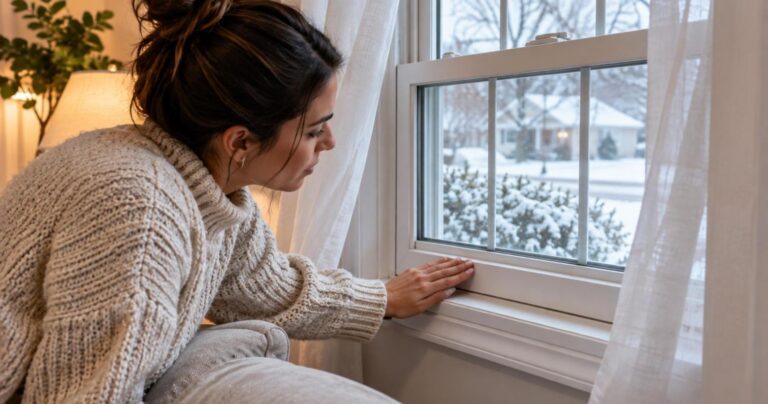
Heat naturally moves from warmer areas toward colder areas. During winter, the warm air inside a Long Island home is separated from cold outdoor conditions by the window assembly. Heat can move through the glass, frame, spacers, and other materials. Air leaks around the sash or frame can create another path for heat loss. These processes can leave areas near older windows noticeably colder than the rest of a room.
The opposite can happen during summer. Outdoor heat and sunlight can increase indoor temperatures, adding to cooling demand. An energy-efficient window addresses several types of heat transfer at once. Better glazing reduces heat movement through the glass, insulated frames slow conduction, and tighter construction limits air leakage. Together, these improvements help the home maintain a more consistent indoor temperature throughout the year.
How Do Double-Pane and Triple-Pane Windows Reduce Heat Loss?
Double-pane windows use two layers of glass separated by a sealed space. Triple-pane windows add a third layer and another sealed space. These spaces create thermal insulation between the indoor and outdoor surfaces. Because heat must move through several layers instead of one piece of glass, double-glazed windows generally reduce heat transfer compared with older single-pane designs.
Triple-glazed windows can provide even greater insulation performance when the complete window is designed correctly. However, homeowners should not choose a window based only on the number of panes. Glass coatings, gas fills, spacers, frames, air leakage, and installation also affect performance. The complete window should be evaluated as one system. A poorly installed triple-pane unit can still develop air leaks that reduce its expected energy savings.
What Do Low-E Coatings Do?
Low-emissivity, or Low-E, coatings are extremely thin metallic coatings applied to window glass. They are designed to control radiant heat transfer while still allowing visible light through the window. During winter, Low-E glass helps reduce the amount of indoor heat radiating through the glass toward the colder outdoors. During warmer months, certain Low-E coatings can also reduce unwanted solar heat entering the home. The U.S. Department of Energy provides a helpful overview of these window technologies.
Different Low-E coatings are designed for different climates and levels of solar exposure. That matters on Long Island because homes experience both cold winters and warm, sunny summers. The goal is not simply to block sunlight. The correct low-emissivity coating balances thermal insulation, solar control, and visible transmittance so the window can reduce energy loss without making rooms unnecessarily dark.
How Do Argon Gas and Other Gas Fills Help?
The spaces between panes in insulated glass units may contain an inert gas instead of ordinary air. Argon gas is commonly used because it transfers heat more slowly than regular air. An argon gas fill therefore adds another layer of resistance to heat movement through double-pane or triple-pane construction. Other inert gas fills may also be used depending on the window design.
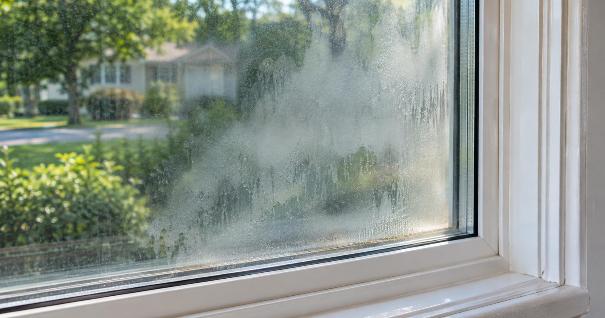
Gas fills work as part of a sealed system. If a window seal fails, the insulating gas can gradually escape and moisture may enter between the panes. Homeowners may notice fogging or condensation trapped inside the glass unit when this happens. Gas fills are useful, but they work best when combined with Low-E coatings, quality spacers, efficient frames, and properly maintained window seals.
Why Do Window Frames and Spacers Matter?
Glass covers most of a window, but heat can also move through the frame and edges of the insulated glass unit. Vinyl frames and fiberglass frames can provide good thermal performance because these materials do not conduct heat as readily as unbroken metal. Aluminum frames can conduct heat more quickly, so energy-efficient designs may incorporate a thermal break to interrupt that direct path between indoor and outdoor surfaces.
Warm edge spacers serve a similar purpose around the perimeter of double-pane and triple-pane glass. They separate the panes while helping reduce heat transfer near the glass edges. These details may seem minor, but a window is only as efficient as its complete assembly. Efficient glass paired with a highly conductive frame or weak edge system can reduce the overall thermal performance homeowners expect.
How Do Energy-Efficient Windows Reduce Air Leakage?
Heat loss does not occur only through the window materials. Heated indoor air can escape through gaps around the sash, frame, locks, weather seals, or installation opening. At the same time, cold outdoor air can enter. This air infiltration creates drafts and may force the heating system to run longer to maintain the thermostat setting.
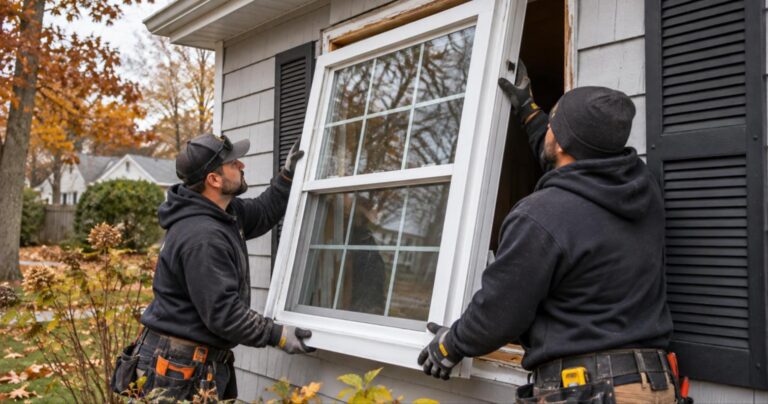
Modern energy-efficient windows are designed with tighter seals and construction to limit this uncontrolled air movement. Installation is equally important. Gaps between the window frame and wall must be properly insulated and sealed. Window caulk may address certain stationary joints, but it cannot correct every installation problem. A window inspection can determine whether drafts are coming through the window itself or around the surrounding opening.
What Do U-Factor and Solar Heat Gain Coefficient Mean?
Two important ratings help homeowners compare window performance. U-factor measures how quickly heat moves through the entire window assembly. A lower U-factor means the window provides better resistance to heat transfer. For Long Island homeowners concerned about winter heat loss, this is an especially useful number when comparing energy-efficient windows.
Solar Heat Gain Coefficient, or SHGC, measures how much solar heat passes through the window. A lower SHGC blocks more solar heat, while a higher rating allows more through. ENERGY STAR performance requirements vary by climate because the ideal balance is different in cold and hot regions. Visible transmittance is another rating that indicates how much visible light enters through the glass.

What Are Thermal Windows?
The term thermal windows is generally used for windows designed to improve insulation compared with basic single-pane units. They commonly feature double-pane or triple-pane glass, Low-E coatings, gas fills, improved spacers, and insulated frames. The exact combination varies, so the term “thermal window” by itself does not tell a homeowner how energy efficient a product actually is.
The better approach is to compare verified performance ratings. Look at the U-factor, Solar Heat Gain Coefficient, air leakage, and other ratings for the complete window. ENERGY STAR certified windows are independently tested and certified for energy performance. This gives homeowners a consistent way to compare different window materials and designs instead of relying only on terms such as thermal, insulated, or energy efficient.
Can Window Coverings Reduce Heat Loss Too?
Window coverings can add another layer of thermal insulation. Cellular shades create air pockets that slow heat movement near the glass, while thermal curtains can reduce the cold sensation around windows during winter. Exterior blinds, storm windows, window inserts, and secondary glazing may also improve performance in certain homes. These options can be useful when full window replacement is not immediately necessary.
However, coverings do not repair failed window seals, damaged frames, water damage, or significant air leakage around an opening. Solar control film may also serve a different purpose by limiting solar heat gain rather than addressing every form of winter heat loss. Homeowners should first identify whether the main problem is heat transfer through the glass, air infiltration, failed components, or poor installation.
Do Energy-Efficient Windows Lower Energy Bills?
Energy-efficient windows can reduce heating and cooling demand by slowing heat transfer and controlling air leakage. ENERGY STAR reports that installing certified windows, doors, and skylights can reduce household heating and cooling energy bills by an average of up to 13% nationwide compared with non-certified products. Actual energy savings vary based on the existing windows, climate, home insulation, HVAC equipment, window area, orientation, and installation quality.
For that reason, homeowners should be cautious about assuming a fixed payback period. A home with old single-pane windows and significant air leakage may see a different result than a house that already has functioning double-pane windows. A home energy audit can also identify attic insulation, doors, air leaks, and other areas contributing to energy loss.
Are Energy-Efficient Windows a Good Long-Term Investment?
Energy-efficient windows can be a practical long-term improvement when existing windows have poor thermal performance, persistent drafts, failed seals, water damage, or deteriorated frames. Benefits can include lower heat loss, improved comfort near windows, less air infiltration, and reduced heating and cooling demand. Modern windows can also improve curb appeal and make rooms more comfortable during temperature extremes.
The right product still depends on the home. Long Island homeowners should compare U-factor, Solar Heat Gain Coefficient, air leakage, frame materials, Low-E glass, gas fills, and installation requirements rather than focusing on one feature. JAGG Roofing, Siding & Windows provides window replacement on Long Island for homeowners considering energy-efficient windows and can evaluate existing windows before recommending replacement.
Energy-Efficient Windows: Quick Answers
How do energy-efficient windows reduce heat loss?
They slow heat transfer through the glass, frame, spacers, and seals using multiple panes, Low-E coatings, gas fills, insulated frames, and airtight construction.
What does a lower U-factor mean?
U-factor measures how quickly heat moves through the entire window assembly. A lower number means better resistance to heat transfer, which is useful when comparing windows for winter performance.
Do energy-efficient windows really lower energy bills?
ENERGY STAR reports average savings of up to 13% nationwide for certified windows, doors, and skylights compared with non-certified products. Actual savings depend on the home, climate, and installation quality.
Is triple-pane always better than double-pane?
Not automatically. Coatings, gas fills, spacers, frames, air leakage, and installation all affect the result, so the complete window should be evaluated as one system.
Jacob Giannelli is the founder of JAGG Roofing, Siding & Windows, serving Nassau and Suffolk County homeowners across Long Island. JAGG is an Owens Corning Preferred Contractor and BBB Accredited Business with a 5.0-star Google rating.