Get a free estimate.
Nassau & Suffolk County.
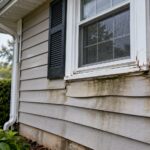
Dark streaks, green patches, or fuzzy growth across your roof can make an otherwise well-maintained Long Island home look older than it is. But what homeowners often call roof mold may actually be algae, moss, lichen, or a combination of biological growth.
Roof algae and moss thrive where moisture lingers. Long Island’s humid summers, coastal air, mature trees, frequent rain, and shaded properties can create favorable conditionsespecially on roof sections that receive limited sunlight.
The bigger question is whether the growth is simply cosmetic or a warning that your roofing system needs attention. The answer depends largely on what is growing, how extensive it has become, and the condition of the asphalt shingles underneath.
Is It Roof Algae, Moss, or Mold?
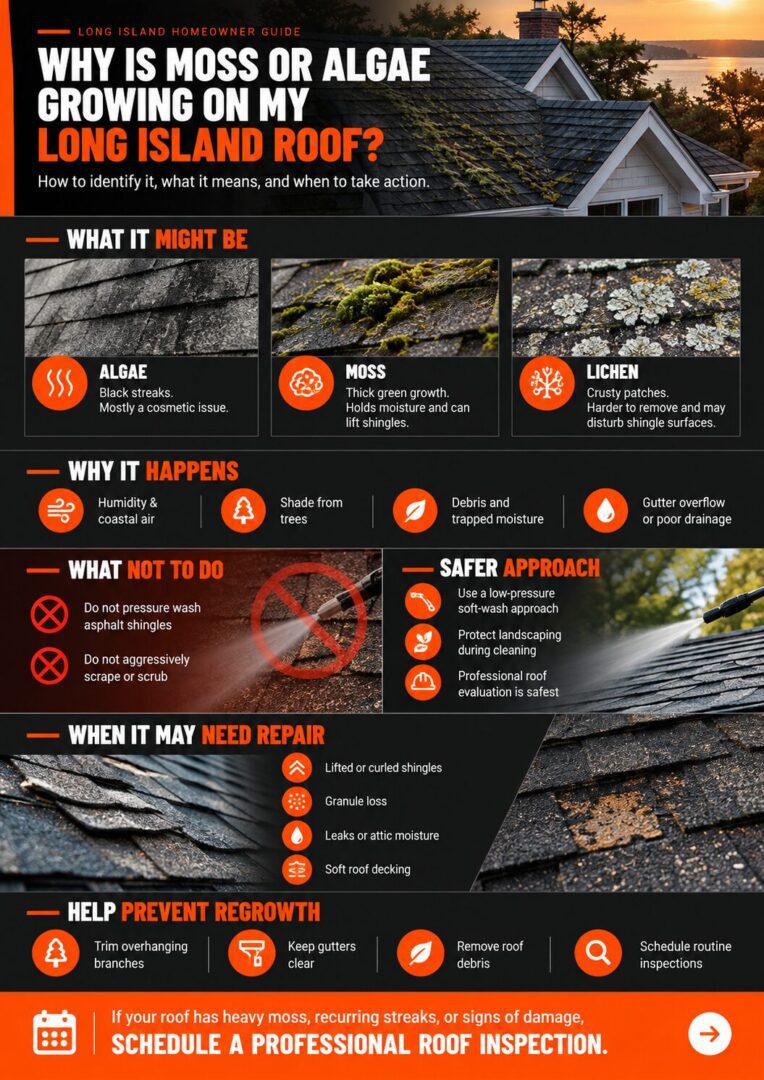
The black streaks commonly seen on asphalt shingles are usually not dirt or mold. They are often caused by a type of airborne cyanobacteria commonly known as Gloeocapsa magma. Algae spores travel through the air, which is why several houses in the same Long Island neighborhood may develop similar staining.
Moss looks different. It typically forms thicker green clumps that hold moisture against the roof surface. Lichen can appear as flatter, crusty patches that attach tightly to roofing materials.
What You See | Possible Cause | Primary Concern |
|---|---|---|
Black or brown streaks | Roof algae | Mostly appearance |
Thick green growth | Moss | Moisture retention and lifted shingles |
Crusty attached patches | Lichen | Difficult removal and surface disturbance |
Dark staining inside attic | Moisture/mold | Ventilation, leakage, or condensation |
Correct identification matters because cleaning everything the same way can cause unnecessary roof damage.
Why Do Long Island Roofs Develop Moss and Algae?
Moisture is the common denominator. Roof sections that remain damp longer provide better conditions for biological growth.
North-facing roof slopes often receive less direct sunlight, allowing moisture to evaporate more slowly. Overhanging branches add shade while dropping leaves, pollen, pine needles, and other organic debris onto the roof. That organic matter can trap additional moisture around shingle edges.
Clogged gutters or gutter overflow may contribute by preventing water from draining efficiently around portions of the roofing system. Roof design also matters. Valleys, dormers, sections near chimneys, and areas beneath large trees may stay damp longer than open roof surfaces.
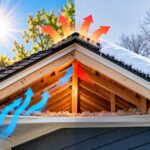
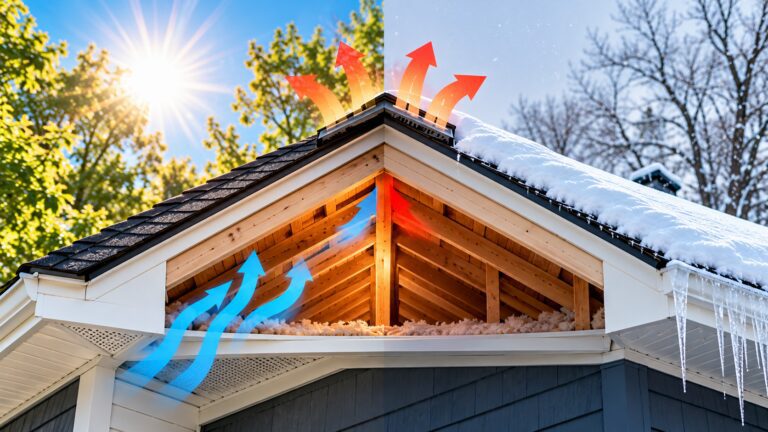
A poorly functioning roof ventilation system can contribute to moisture problems beneath the roof as well. However, exterior algae should not automatically be blamed on attic ventilation. A proper roof inspection looks at both exterior conditions and what is happening beneath the roof deck.
Can Moss or Algae Damage Asphalt Shingles?
There is an important difference between algae and moss.
According to the Asphalt Roofing Manufacturers Association, there is no scientific evidence showing that typical algae growth damages asphalt shingles, although it can significantly affect the roof’s appearance.
Moss is more concerning.
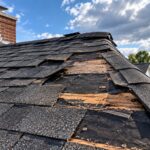
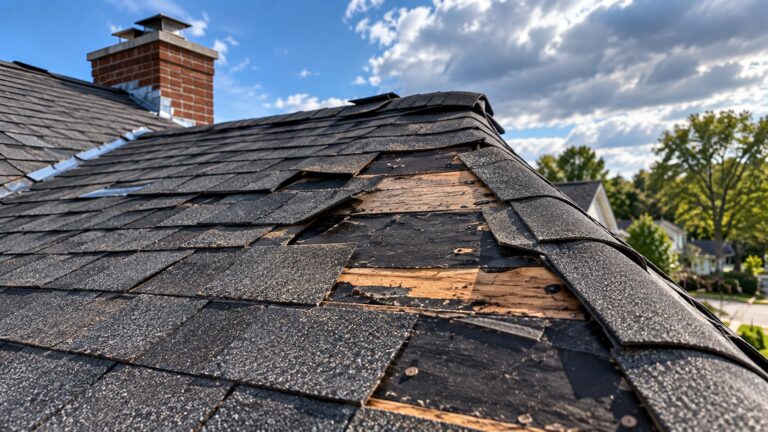
Because moss absorbs and retains water, established growth can interfere with how shingles shed water. Thick moss may begin lifting or curling shingle edges. Once shingles no longer sit properly, they can become more vulnerable to wind and allow water to move where it should not.
Aggressively removing established moss can also create granule loss or damage brittle shingles. What looks like a cleaning problem may therefore become a roof repair issue if the growth has been present for years.
Should You Pressure Wash Moss or Algae Off a Roof?
No. A pressure washer should not be used on asphalt shingles.
High-pressure water can loosen the protective granules embedded in shingles and accelerate wear. Pressure washing underneath shingle edges can also force water into areas the roofing system was designed to protect.
Scraping moss with a metal scraper, stiff brush, or other abrasive tool creates similar concerns.
DIY methods involving white vinegar, moss control powder, homemade chemicals, air compressors, or aggressive scrubbing may sound simple online, but homeowners should check manufacturer requirements before applying anything to their roof.
Walking across a wet roof covered with algae is also extremely slippery. For anything beyond basic ground-level maintenance, professional cleaning or roofing evaluation is considerably safer.
How Should Roof Algae and Moss Be Removed?
For asphalt roofing, the cleaning method should protect the shingles rather than simply make the stains disappear as quickly as possible.
ARMA describes a low-pressure approach using an appropriate bleach-and-water solution, allowing it to work on the biological growth before gently rinsing with low-pressure water. Manufacturer instructions should always take priority because recommended concentrations and procedures can vary.
Landscaping below the roof also needs protection. Plants can be thoroughly watered before and after treatment, while runoff should be controlled rather than allowing cleaning solution to concentrate around shrubs or gardens.
A professional roof cleaner or roofing contractor may use a soft-wash approach designed to treat the growth without blasting the shingle surface.
Homeowners should also understand that staining may not disappear instantly. Once algae or moss has been killed, remaining discoloration can continue fading with weather and rainfall.
Do Zinc or Copper Strips Prevent Roof Algae?
Copper and zinc can inhibit biological growth, which is why zinc granules, copper granules, and algae-resistant materials are used in some roofing products.
However, installing zinc or copper strips on an existing asphalt roof is not always as simple as sliding metal underneath the shingles. Doing so improperly can disturb the sealant bond or require exposed fasteners.
When planning a roof replacement on Long Island, homeowners can instead discuss algae-resistant shingles manufactured with technologies designed to inhibit discoloration.
These products are especially worth considering for homes surrounded by mature trees or properties that have experienced repeated algae growth.
When Does Moss Mean You Need Roof Repair?
Moss does not automatically mean you need a new roof.
If the asphalt shingles underneath remain flat, properly sealed, and structurally sound, professional cleaning and improved roof maintenance may be enough.
However, extensive growth should be inspected when you also notice missing granules, curled or lifted shingle edges, soft roof decking, gutter problems, active leaks, staining inside the attic, or areas where moss has worked between shingles.
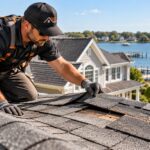
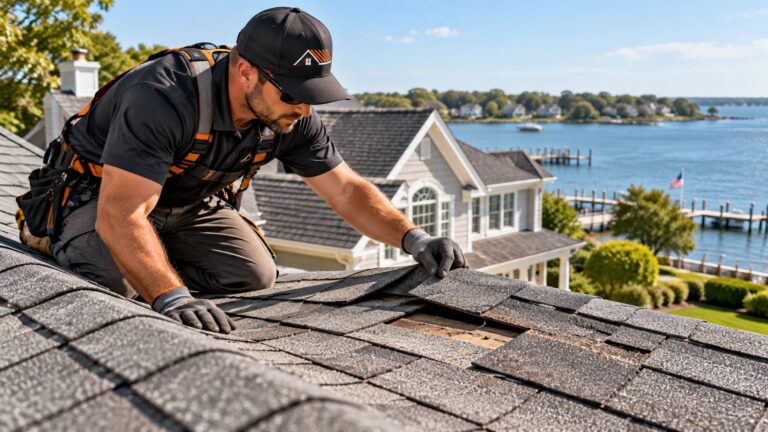
A professional Long Island roof repair inspection can determine whether you are dealing with surface growth or whether moisture has contributed to a larger roofing problem.
Waiting until water enters the house can turn a relatively manageable maintenance issue into costly repairs involving roof decking, insulation, drywall, or interior finishes.
How Can You Keep Moss and Algae From Coming Back?
Prevention starts by reducing the conditions that allow the roof to remain damp.
Trim overhanging branches where practical so more sunlight and airflow can reach the roof. Keep leaves and organic debris from accumulating in valleys and along shingle edges. Gutters should remain clear so water drains properly instead of overflowing onto lower roof surfaces.
Routine roof inspections can also identify drainage problems, damaged shingles, ventilation issues, or early biological growth before they become more difficult to address.
Most importantly, avoid treating every stained roof as a cleaning project. If your Long Island roof has substantial moss, recurring black streaks, lifted shingles, or signs of water intrusion, JAGG Roofing, Siding & Windows can inspect the complete roofing system and determine whether cleaning, maintenance, roof repair, or replacement makes the most sense.
The goal is not simply to make the roof look clean again. It is to protect the shingles underneath and make sure the system continues keeping your home dry.
Jacob Giannelli is the founder of JAGG Roofing, Siding & Windows, serving Nassau and Suffolk County homeowners across Long Island. JAGG is an Owens Corning Preferred Contractor and BBB Accredited Business with a 5.0-star Google rating.