Get a free estimate.
Nassau & Suffolk County.
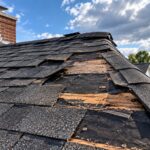
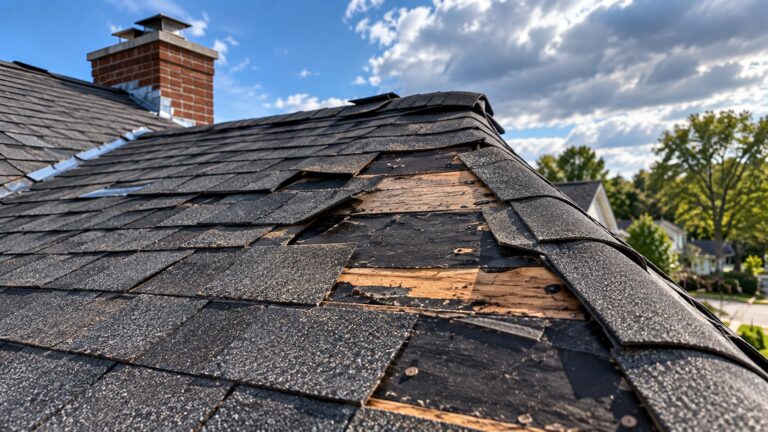
You walk outside after a windy Long Island night and notice something dark lying near the driveway. At first it looks like a piece of debris. Then you look up and realize it matches your roof. One of your roof shingles is missing, and now you are wondering whether you have a minor shingle repair or the beginning of a much bigger roofing problem.
Missing shingles and loose roof shingles should not be ignored. Asphalt shingles are installed as part of a layered roof system designed to move water away from your home. When one becomes loose, cracked, lifted, or disappears completely, the materials beneath it may become more vulnerable to water intrusion, wind uplift, and additional storm damage.
The good news is that one missing shingle does not automatically mean you need a new roof. A professional roof repair inspection can determine whether the problem is isolated or a sign that the overall roof condition is deteriorating.
Why Do Roof Shingles Become Loose or Go Missing?
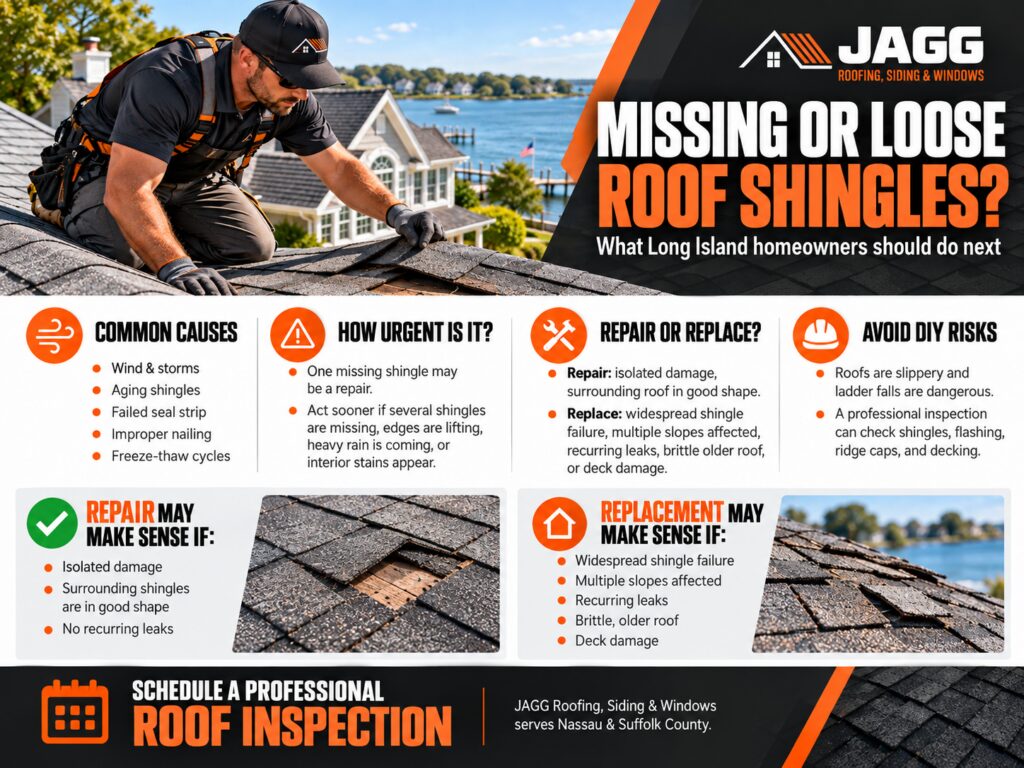
Roof shingles can loosen for several reasons. Strong winds are one of the most obvious, but age, installation problems, weather conditions, and deterioration of the shingle-to-shingle sealant bond can also contribute.
Asphalt shingles are typically secured using roofing nails and a self-sealing adhesive strip. Once installed, heat helps activate that adhesive and creates a bond between overlapping shingles. If the seal does not form correctly, or weakens later, the leading edge of the shingle may become more susceptible to wind.
Missing shingles may also result from storm debris, hail events, repeated freeze-thaw cycles, roof traffic, damaged roofing nails, or deterioration of the granular surface. Older asphalt shingle roofs naturally become less flexible over time, making shingles more vulnerable to cracking or lifting during windy weather.
What Causes the Shingle Seal Strip to Fail?
The seal strip is an important part of how asphalt shingles resist wind uplift. If that thermoplastic bond fails, wind can get underneath the exposed edge and begin lifting the shingle.
Several conditions may interfere with the sealant bond, including cold-weather installation, dirt or debris on the adhesive strip, manufacturing issues, poor installation techniques, excessive roof traffic, or shingles that have simply aged.
Improper nail fasteners can make the situation worse. Roofing nails placed too high, too low, driven at an angle, or overdriven with a nail gun may not hold the shingle as intended. Once wind begins moving a loose shingle repeatedly, the fastener holes can enlarge and the material can eventually tear away.
Storm Damage, Wind Uplift and Long Island Weather
Long Island roofs experience coastal storms, thunderstorms, heavy rain, winter freezing, and periods of strong wind. A roof that handled ordinary weather for years can suddenly lose shingles during one stronger storm event.
Wind uplift often begins at vulnerable areas such as roof edges, corners, ridges, and sections where a seal strip has already weakened. Ridge cap shingles can also become loose because they sit along some of the most exposed areas of the roof.
After severe weather, look from the ground for missing shingles, lifted edges, shingle fragments, disturbed ridge caps, fallen branches, or unusual debris around the property. Avoid climbing onto the roof just to get a closer look. The CDC’s ladder safety guidance notes that ladder-related falls are a significant injury risk, including for people performing work around the home.
How Urgent Are Missing or Loose Roof Shingles?
A missing shingle is not something to panic about, but it should be inspected relatively quickly.
The urgency depends on what lies underneath the missing material, current weather conditions, and whether water has already entered the roofing system. A single missing shingle with intact underlayment may not immediately produce an interior roof leak. However, that section of the roof now has less weatherproof protection than it was designed to have.
The situation becomes more urgent when several shingles are missing, additional shingles are visibly lifting, heavy rain is expected, flashing has also been damaged, or you notice water stains indoors.
Loose shingles can also become fully detached during the next windy weather event, potentially exposing a larger section of the roof surface.
What Happens If You Ignore Loose Shingles?
Think of a loose shingle like a slightly open zipper on a raincoat. The coat may still keep you dry for a while, but once water finds the opening, everything underneath becomes more vulnerable.
Water infiltration may begin at the exposed section and travel underneath surrounding roofing materials. Because layered roofing systems overlap, the point where water becomes visible indoors may be several feet away from the original roof damage.
Over time, repeated water entry may affect underlayment, roof sheathing, insulation, ceilings, walls, and other building materials. The EPA recommends addressing water problems promptly, noting that controlling moisture is central to preventing mold growth.
How Water Reaches the Roof Deck
The roof deck, sometimes called roof decking or roof sheathing, provides the structural attachment surface beneath the shingles. Leak barrier products, deck protection products, flashing, and shingles are installed above it to help manage water.
When a missing shingle creates an opening, water may reach nail penetrations, seams in the underlayment, flashing details, or other vulnerable areas. Repeated moisture can eventually contribute to wood rot and weakened roof decking.
Interior warning signs can include water stains, peeling paint, damp attic insulation, musty odors, or visible discoloration underneath the roof deck.
A full roof inspection should therefore evaluate more than the spot where the shingle disappeared. Flashing issues, nearby nail fasteners, surrounding shingles, ventilation components, and the roof deck should also be checked.
Should You Repair the Shingles or Replace the Roof?
One missing shingle usually does not justify a full roof replacement. The decision depends on the extent of the roof damage and the condition of the surrounding roofing system.
Roof Condition | Shingle Repair May Make Sense | Roof Replacement May Make Sense |
|---|---|---|
One or two missing shingles | Surrounding roof is healthy | Widespread shingles are failing |
Wind damage | Damage is localized | Multiple roof slopes are affected |
Roof leak | Entry point is isolated | Multiple leaks continue returning |
Older roof | Remaining shingles are flexible and intact | Shingles are brittle, cracked, or deteriorated |
Storm damage | Small repairable section | Extensive storm-related damage |
Roof decking | Deck remains sound | Widespread rot or structural damage exists |
Repeated shingle replacement on a roof that is already approaching the end of its useful life may eventually stop making financial sense. When missing shingles are part of widespread deterioration, roof replacement may provide a more reliable long-term solution.
Matching Replacement Shingles and Ridge Caps
Matching shingles can become surprisingly difficult on older roofs. Manufacturers change product lines, colors weather over time, and the replacement shingle may look noticeably different from the existing roof even when it originally had a similar color.
A roofing contractor also has to match more than appearance. The replacement shingles should be compatible with the existing shingle pattern, dimensions, installation method, roof pitch, and surrounding roofing materials.
Ridge cap shingles deserve separate attention. Manufactured ridge caps are designed for roof hips and ridges and should not automatically be treated like ordinary field shingles. A damaged ridge vent system may also require inspection because shingles, ridge vent materials, attic ventilation products, and fasteners work together in that section of the roof.
Can You Fix Loose Roof Shingles Yourself?
You may see DIY guides recommending a pry bar, roofing nails, replacement shingles, and asphalt plastic roof cement to re-secure loose materials. The actual repair may look simple on the ground. The risk changes considerably once you are working several feet above it.
Roof slopes can be steeper and more slippery than they appear. Loose granules, wet shingles, ladders, uneven surfaces, and unexpected movement can create fall hazards. Professional roofers use appropriate access methods, safety equipment, and fall protection when conditions require it. The CDC specifically identifies roofing and ladder work as activities with significant fall risk.
There is another problem with DIY re-securing: roofing cement can hide a symptom without correcting damaged fasteners, torn shingles, failed flashing, or problems underneath the material. Excessive prying can also damage the shingles surrounding the repair.
What Does Professional Shingle Repair Involve?
Professional repair starts with figuring out why the shingle became loose or disappeared.
A roofer may inspect the surrounding asphalt shingles, roofing nails, seal strips, flashing, roof deck, ridge caps, and nearby penetrations. The roof inspection should also look for wind damage that extends beyond the one visibly missing shingle.
When the damage is localized, the roofing process may involve carefully removing damaged material and installing compatible replacement shingles. Nearby shingles must remain intact so the repair does not create another weak point.
If water entry has occurred, the inspection may extend into the attic to check roof sheathing and insulation damage. Flashing repairs or other leak repairs may also be needed when the missing shingle was only one part of the problem.
The goal of professional repair is not simply to make the empty spot disappear. It is to restore the layered roof system so water continues moving over the roofing materials instead of underneath them.
Are Missing Shingles Covered by Homeowners Insurance?
Insurance coverage depends heavily on why the shingles went missing.
Damage caused suddenly by a covered storm event, such as certain wind, hail, or falling-object losses, may be treated differently from deterioration caused by age, lack of roof maintenance, or long-term wear. The Insurance Information Institute explains that roof coverage can depend on the cause of damage as well as the roof’s age and condition.
After storm-related damage, take photos from a safe location and document when the storm occurred. A professional storm damage inspection can identify missing shingles, lifted materials, flashing damage, hail impacts, and related problems that may be relevant to an insurance claim.
Avoid assuming that either the entire roof is covered or nothing is covered. Insurance coverage varies by policy, deductible, roof age, damage type, and whether the insurer pays replacement cost or actual cash value.
How Much Does It Cost to Fix Loose or Missing Shingles?
There is no reliable flat price for shingle repair because the visible missing material may represent only part of the work.
Repair cost can depend on the number of replacement shingles, roof pitch, height and accessibility, whether matching shingles are available, flashing work, damaged roof decking, ridge cap repairs, and the amount of labor required.
A small localized shingle replacement generally costs less than repairing a section where water has already damaged the sheathing underneath. Storm-related damage across multiple roof slopes can change the scope again.
This is why a written estimate following an inspection is more useful than choosing a roofing company based on a generic online repair price.
What Should Long Island Homeowners Do Next?
If you find a loose or missing shingle, start by inspecting the property from the ground. Look for additional shingles in the yard, damaged ridge caps, hanging materials, storm debris, gutter damage, or visible changes to the roof surface.
Then check accessible interior areas for signs of water entry. Look at ceilings and, if safely accessible, the attic for fresh water stains, wet insulation, unusual daylight through the roof, or damp roof sheathing.
Do not wait for a visible interior leak before taking action. A roof can allow moisture beneath the shingles before water reaches the living space.
JAGG Roofing, Siding & Windows provides shingle replacement, roof leak repair, flashing repair, storm damage inspections, and complete roofing evaluations throughout Nassau and Suffolk County. If shingles have disappeared after windy weather or sections of your roof are visibly loose, schedule a professional inspection so you know whether you need a small repair or a larger roofing solution.
Jacob Giannelli is the founder of JAGG Roofing, Siding & Windows, serving Nassau and Suffolk County homeowners across Long Island. JAGG is an Owens Corning Preferred Contractor and BBB Accredited Business with a 5.0-star Google rating.