Get a free estimate.
Nassau & Suffolk County.
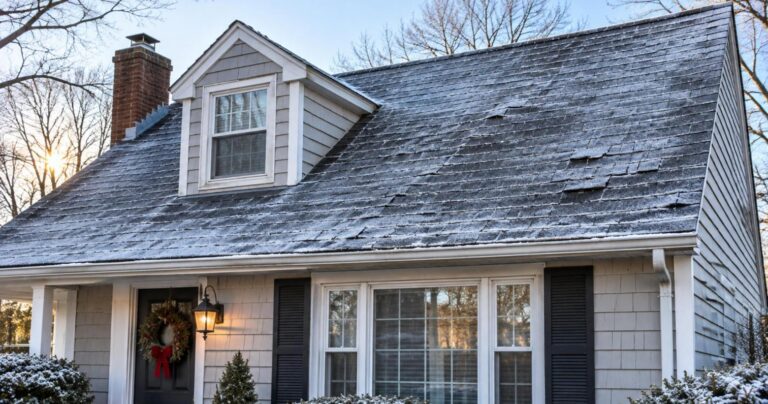
Yes, you can replace a roof during winter on Long Island, but weather conditions and roofing materials matter. Professional roofers can install many roofing systems during colder months when the roof is dry, temperatures are manageable, and manufacturer specifications are followed. Winter installation requires more planning because asphalt shingles become less flexible in low temperatures and may take longer to seal. Snow accumulation, freezing rain, coastal wind, and ice can also interrupt work. For homeowners with leaks, storm damage, or an aging roof, waiting until spring is not always the safest choice.
Why Long Island Winter Weather Affects Roofing Work
Long Island winters can shift quickly between mild temperatures, rain, snow, freezing conditions, and strong coastal wind gusts. According to the National Weather Service, winter storms can include snow, sleet, freezing rain, strong winds, and dangerous cold. These changing weather conditions affect how roofing materials are handled and when crews can safely work. Homes in Nassau County and Suffolk County also experience exposure to salt air and coastal moisture. When water enters a weakened roof and temperatures fall below freezing, the repeated freeze-thaw cycle can widen small openings and increase the chance of roof damage.
Can You Install Asphalt Shingles During Winter?
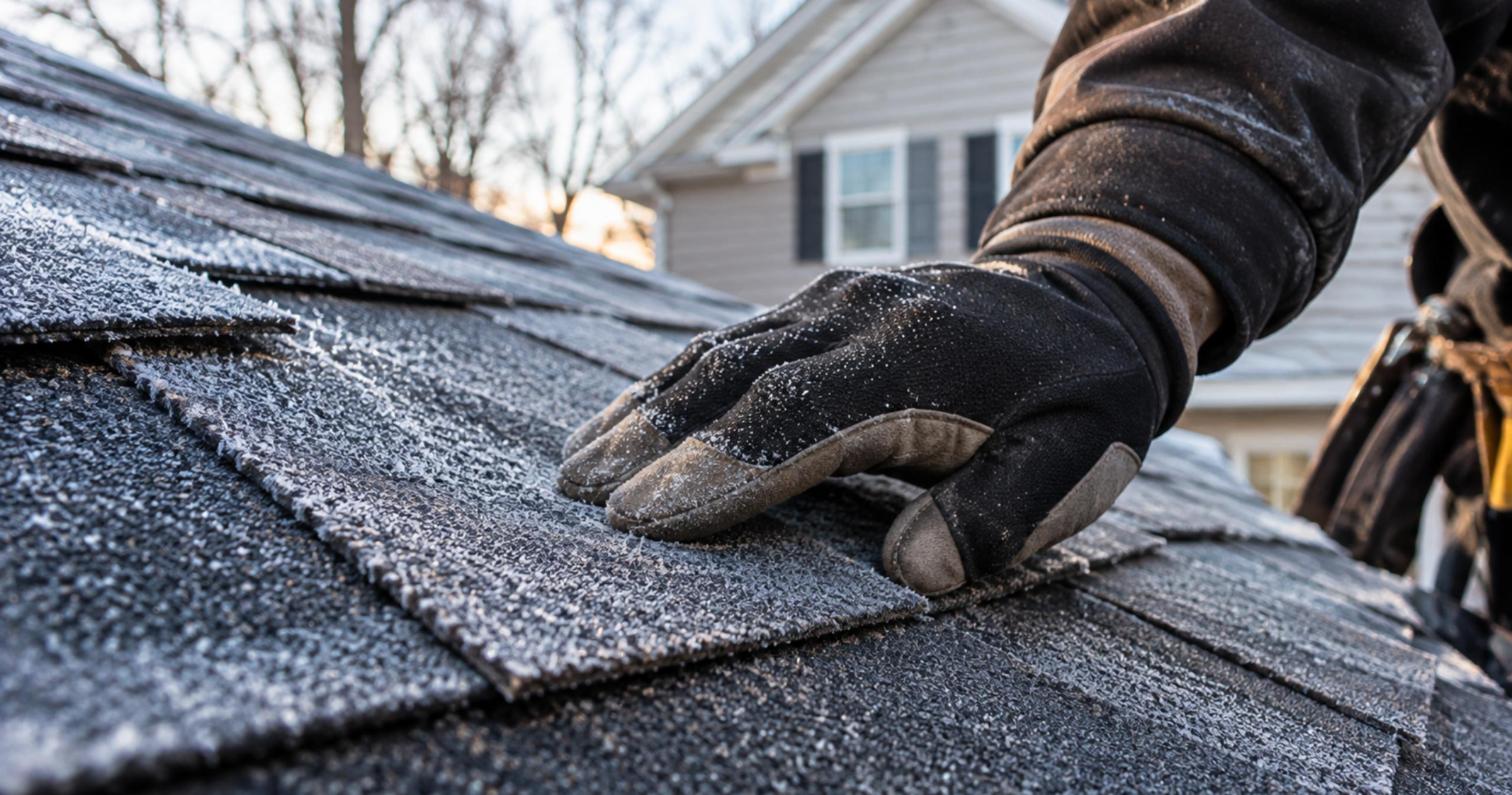
Asphalt shingles can be installed during winter, but cold temperatures change how contractors handle and secure them. Asphalt shingle products become less flexible when cold, making careful handling important to prevent cracking or damage. Owens Corning installation guidance advises roofers to use extra care when shingles are handled below 40°F. The manufacturer also requires installers to follow proper deck, fastening, ventilation, and application requirements. These details matter because improper winter installation can affect the shingle seal and overall performance of the asphalt shingle roof.
How Cold Temperatures Affect the Shingle Seal
Most asphalt shingles contain a self-sealing adhesive strip designed to bond shingles together after installation. Heat from sunlight normally activates this shingle seal over time. During cold winter weather, thermal sealing may happen more slowly because the roof receives less heat. Some products may require manual sealing according to manufacturer specifications when conditions prevent normal adhesion. Correct nail placement is also important because shingles must remain secured before the adhesive activates. A qualified roofing professional should follow the manufacturer’s rating and cold-weather instructions instead of assuming every architectural shingle can be installed the same way.
Why Nail Placement Matters More in Cold Weather
Proper nail placement is important during every roof replacement, but winter conditions leave less room for installation errors. Nails driven too high may fail to secure both layers of an architectural shingle, while nails placed incorrectly can damage the material or affect wind resistance. Nail guns must also be adjusted so fasteners sit properly without cutting through the shingle. Until thermal sealing occurs, correct fastening helps the roofing system resist coastal wind and winter storms. Professional roofers should inspect fastening patterns, ridge caps, roof valleys, and exposed areas carefully before considering the installation complete.
What Weather Is Too Bad for Roof Replacement?
Cold temperatures alone do not always stop roofing work. Snow, ice, freezing rain, strong winds, or a wet roof deck are usually more important concerns. Roofing contractors should not install materials over snow cover or a wet surface simply to keep a schedule. Unsafe wind conditions can also make working at roof height dangerous. Winter projects are therefore often scheduled around clear weather windows rather than completed on consecutive days regardless of conditions. A responsible contractor may pause the project when the forecast creates safety concerns or could compromise the roofing materials.
| Weather Condition | What It Means for Your Roof Project |
|---|---|
| Cold temperatures alone | Do not always stop work, but shingles need careful handling and may seal more slowly |
| Snow cover on the roof | Materials should not be installed over snow |
| Wet roof deck | Installation should wait until the surface is dry |
| Freezing rain or ice | Can interrupt work and create unsafe footing |
| Strong wind | Makes working at roof height dangerous |
How Long Does Winter Roof Replacement Take?
A typical roof replacement may take only a few working days, but project duration depends on roof size, slope, complexity, decking condition, material choice, and weather. Winter projects sometimes take longer because contractors have fewer usable daylight hours and may need to stop for snow, ice, rain, or high winds. Discovering roof deck rot after removing the existing roof can also extend the job. Homeowners should discuss weather protection before work begins so exposed areas are protected if installation cannot continue immediately.
Roof Repair or Full Roof Replacement?
A full roof replacement means removing the existing roof covering and installing a new roofing system, including necessary underlayment, flashing, drip edge, shingles, and related components. Roof repair may be more appropriate when damage is limited to one area, such as a damaged pipe boot, several missing shingles, or a small flashing problem. Replacement becomes more practical when roofing problems are widespread, leaks keep returning, shingles are deteriorating, or wooden decking has suffered moisture damage. A winter roof inspection can help determine whether temporary repair or full replacement is the better choice.
Signs Your Long Island Roof May Need Replacement
An older roof should be inspected if homeowners notice curling asphalt shingles, missing shingles, loose ridge caps, exposed roofing cement, dark streaks, recurring leaks, soft decking, or water marks on interior ceilings. Mold growth or attic moisture may also signal that water or humid air is becoming trapped beneath the roofing system. Storm damage can accelerate these problems even when the roof looked acceptable before winter. A professional inspection report can document visible damage and determine whether the roof still has reasonable service life or has reached the point where replacement is more practical.
How Ice Dams Affect an Aging Roof
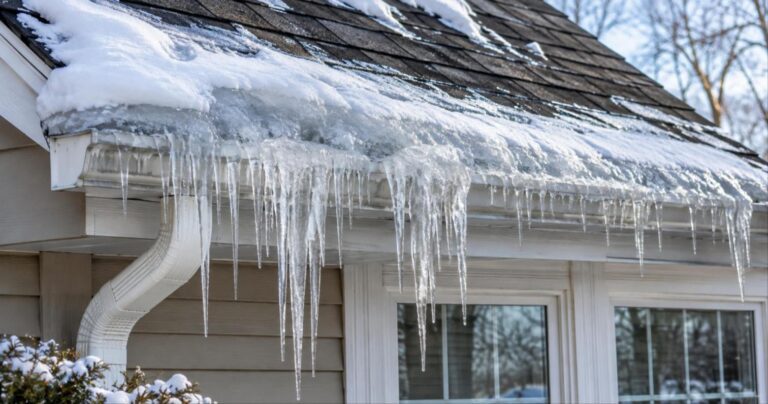
Ice dams can develop when heat from the home warms snow on the upper roof. Meltwater flows toward colder eaves, freezes again, and begins forming a barrier. More melting snow can then collect behind the ice and work beneath vulnerable roofing materials. The Insurance Information Institute notes that ice buildup can contribute to ice dams and roof damage. Roof maintenance, proper attic insulation, ventilation systems, and correctly installed ice-and-water shield can help reduce the conditions that allow water to reach wooden decking and interior spaces.
Attic Ventilation and Winter Moisture
Attic ventilation remains important during winter because warm, humid indoor air can move into the attic and condense against cold surfaces. Over time, attic moisture can contribute to mold growth, damp insulation, damaged wooden decking, and reduced energy efficiency. Proper ventilation systems help manage heat and moisture while supporting more even roof temperatures. During roof replacement, contractors should inspect intake and exhaust ventilation rather than automatically reinstalling the same setup. A ventilation upgrade may be appropriate when the current system does not provide adequate airflow or when signs of moisture are already visible.
What Roofing Materials Work Well on Long Island?
Asphalt shingles remain common because they balance cost, appearance, availability, and performance. Architectural shingles generally provide a heavier, more dimensional profile than traditional 3-tab shingles. Other options include metal roofing, standing-seam metal panels, synthetic slate, natural slate, wooden shingles, clay tiles, and TPO membranes for certain low-slope applications. The best roofing materials depend on the home’s structure, roof slope, exposure, budget, and desired curb appeal. Long Island homeowners should also consider coastal wind, salt air, storm season exposure, maintenance needs, and manufacturer specifications when comparing roofing systems.
Asphalt Shingles vs. Metal Roofing in Winter
Asphalt shingles and metal roofs can both perform well on Long Island when correctly installed. Asphalt shingles are widely used and available in numerous architectural styles, while metal roofing can provide long service life and strong resistance to moisture. Standing-seam panels also shed snow differently than textured shingle surfaces, which may affect snow accumulation around entrances or walkways. Material alone does not determine performance. Underlayment, fastening, flashing, ventilation, roof valleys, drip edge, and workmanship all affect how well a roofing system manages winter conditions.
Do You Need a Permit for Roof Replacement?
Building permit requirements can vary among Long Island towns, villages, and other local jurisdictions, so homeowners should confirm requirements before work begins. New York’s current Residential Code includes requirements covering roof assemblies, roof coverings, flashing, weather protection, reroofing, and manufacturer installation instructions. New York State’s 2025 Uniform Code became fully effective on December 31, 2025, according to the Department of State. A roofing contractor familiar with the homeowner’s municipality can help explain permit processing, required inspections, and applicable building codes.
Why Building Codes Matter for Winter Roofing
Building codes are not simply paperwork requirements. They establish minimum standards for how a roofing system should protect the structure from weather and other hazards. New York’s residential roofing provisions address materials such as asphalt shingles, slate, metal panels, wood shingles, and membrane systems while also covering flashing and roof drainage. Local requirements may also address ice protection, wind resistance, decking, and fastening. Following the applicable code and manufacturer specifications helps create a complete system rather than treating roof replacement as simply installing new shingles over a house.
What About Storm Damage and Insurance Coverage?
Winter storms can damage shingles, flashing, gutters, and other roof components through wind, falling branches, ice, or heavy precipitation. Homeowners who suspect storm damage should document visible conditions and arrange a professional roof inspection before making major repairs when possible. The Insurance Information Institute explains that homeowners insurance commonly covers roof damage caused by covered events such as wind, hail, or falling trees, although coverage depends on the individual policy. Roof age and condition can also affect how insurance coverage applies to replacement.
Should You Remove Snow From the Roof?
Most homeowners should avoid climbing onto a snowy or icy roof themselves. Snow removal can create a fall hazard and may damage asphalt shingles when improper tools are used. Heavy snow accumulation or ice should be evaluated when it creates a concern for the structure or contributes to ice dams. Seamless gutters should also remain clear enough to allow meltwater to drain properly. Ice-melt systems may be appropriate for specific problem areas, but they should not be treated as a substitute for correcting insulation, ventilation, drainage, or roofing problems that repeatedly create winter moisture issues.
Is Winter Replacement Better Than Waiting Until Spring?
Waiting for warmer weather may be reasonable when a roof remains structurally sound and has no active problems. However, delaying a failing roof simply because it is winter can allow several months of moisture, freezing temperatures, wind, and snow to make existing damage worse. Water intrusion can reach insulation, wooden decking, interior ceilings, and walls before spring arrives. If a roofing professional determines that replacement is necessary, a properly planned winter installation can be safer for the home than relying on temporary roof cement or repeated emergency repairs.
Schedule a Long Island Roof Inspection Before Deciding
The best way to determine whether winter replacement is appropriate is to inspect the actual roofing system. A contractor should evaluate shingles, roof valleys, ridge caps, flashing, pipe boots, gutters, attic ventilation, wooden decking, and signs of storm damage or moisture. JAGG Roofing, Siding & Windows provides roofing services for homeowners throughout Long Island, including Suffolk County and Nassau County. A detailed roof inspection can clarify whether roof repair can safely extend the roof lifespan or whether replacement should move forward before additional winter weather arrives.
Winter Roof Replacement: Quick Answers
Can you replace a roof in winter on Long Island?
Yes. Professional roofers can install many roofing systems during colder months when the roof is dry, temperatures are manageable, and manufacturer specifications are followed.
Does cold weather stop roofing work?
Cold temperatures alone do not always stop work. Snow, ice, freezing rain, strong winds, or a wet roof deck are usually the bigger concerns, and a responsible contractor may pause a project when conditions are unsafe.
How long does a winter roof replacement take?
A typical replacement may take only a few working days, but winter projects can take longer because of fewer daylight hours and weather delays. Roof size, slope, decking condition, and material choice also matter.
Should I remove snow from my roof myself?
Most homeowners should avoid climbing onto a snowy or icy roof. Snow removal creates a fall hazard and can damage shingles when improper tools are used.
Jacob Giannelli is the founder of JAGG Roofing, Siding & Windows, serving Nassau and Suffolk County homeowners across Long Island. JAGG is an Owens Corning Preferred Contractor and BBB Accredited Business with a 5.0-star Google rating.