Get a free estimate.
Nassau & Suffolk County.
For many Long Island homeowners, replacing an aging or damaged roof before winter is a smart decision. Winter weather brings freezing temperatures, snow, rain, strong coastal wind, and repeated freeze-thaw cycles that can expose existing roofing problems. A small leak in September can become water intrusion, damaged insulation, or roof deck rot after several winter storms. The decision depends on the roof’s age, condition, and current damage. A professional roof inspection before cold weather arrives can determine whether roof repair is enough or whether a complete roof replacement offers better protection.
Why Winter Weather Is Hard on Long Island Roofs
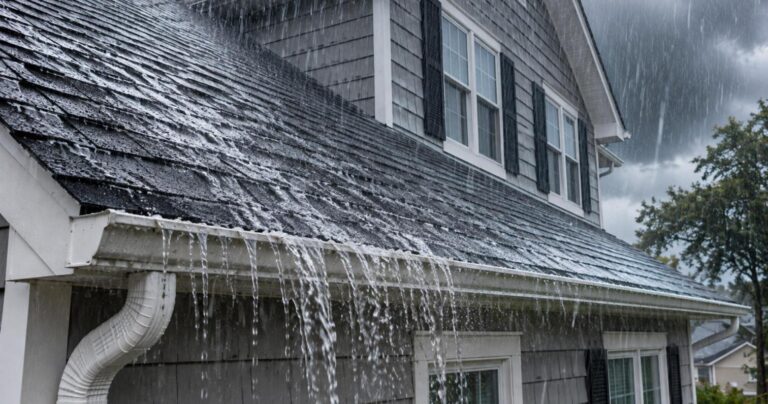
Long Island has a coastal climate that can expose roofing systems to changing conditions throughout winter. The National Weather Service notes that New York winters can bring snow, rain, sleet, freezing rain, extreme cold, and strong winds. Homes in Nassau County and Suffolk County also face coastal wind gusts and salt air, particularly near the North and South Shores. When temperatures repeatedly move above and below freezing, water can enter small openings, freeze, expand, and make existing roofing problems worse.
Signs Your Roof May Not Be Ready for Winter
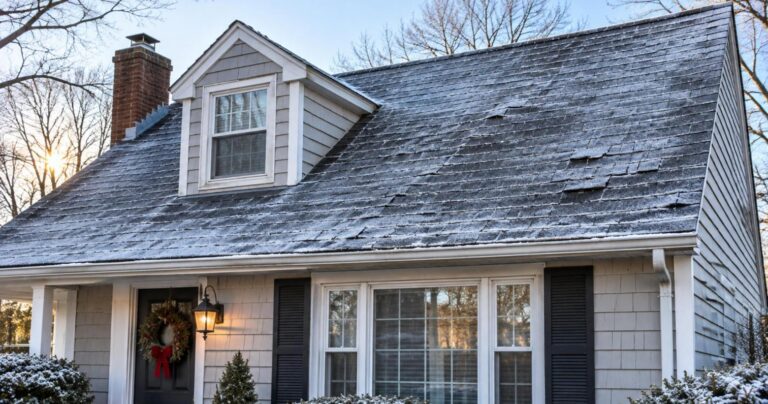
A roof does not need to be actively leaking to have problems that could become serious during storm season. Missing asphalt shingles, lifted ridge caps, cracked roofing cement, damaged flashing, dark streaks, worn roof valleys, and exposed fasteners should be investigated before winter. Homeowners should also watch interior ceilings for stains and inspect the attic for damp insulation, mold growth, or visible moisture. These warning signs can indicate that the roof is already allowing water or excess attic moisture into areas where it can damage wooden decking and other parts of the home.
When Roof Repair May Be Enough
Roof repair can make sense when damage is limited and the surrounding roofing materials remain in good condition. A roofing professional may be able to replace several damaged shingles, repair flashing, correct a failing pipe boot, or address an isolated leak without replacing the entire asphalt shingle roof. The important step is finding the actual source of the problem. Covering a vulnerable area with roofing cement may temporarily hide a symptom without correcting damaged materials underneath. An inspection helps homeowners determine whether a localized repair can realistically protect the home through another Long Island winter.
When Roof Replacement Makes More Sense
Roof replacement becomes more practical when deterioration affects several areas or when an older roof requires repeated repairs. Widespread granule loss, curling asphalt shingles, recurring leaks, soft wooden decking, failing flashing, and extensive storm damage can indicate that the roofing system is reaching the end of its useful life. Replacement allows the contractor to remove old roofing materials and inspect the deck underneath. Damaged sections can then be corrected before new underlayment, drip edge, flashing, shingles, and ridge caps are installed as a complete system rather than relying on repeated patches.
| What You Are Seeing | Repair May Be Enough | Replacement Makes More Sense |
|---|---|---|
| Extent of damage | Limited to a few areas | Spread across several areas |
| Shingles | Several damaged or missing shingles | Widespread granule loss or curling |
| Leaks | One isolated leak with a clear source | Recurring leaks after repairs |
| Roof deck | Decking is sound | Soft or rotted wooden decking |
| Flashing | A single failing flashing detail | Failing flashing in multiple spots |
| Overall condition | Surrounding materials are in good shape | Roof is nearing the end of its useful life |
Can You Replace a Roof in Winter in New York?
Yes, roof replacement can be performed during winter in New York when weather conditions, materials, and manufacturer specifications allow it. However, cold temperatures require additional planning. Asphalt shingle products contain a self-sealing adhesive strip that helps shingles bond after installation. When temperatures are low, that thermal sealing process can take longer. Contractors may need cold-weather installation procedures, including manual sealing when required by the manufacturer. Snow cover, freezing rain, ice, and unsafe working conditions can also delay a project, making a planned fall installation easier than an emergency replacement during January or February.
What Temperature Is Too Cold for Asphalt Shingles?
There is no single temperature that automatically makes every asphalt shingle installation impossible because requirements depend on the specific product and manufacturer. However, cold-weather installation changes how shingles must be handled and sealed. Asphalt becomes less flexible in low temperatures, and the shingle seal may not activate as quickly. Nail placement and handling therefore become especially important. Homeowners considering an Owens Corning or another asphalt shingle system should have their roofing contractor follow the manufacturer’s rating and installation instructions rather than relying on a general temperature rule.
How Ice Dams Can Turn Small Problems Into Leaks
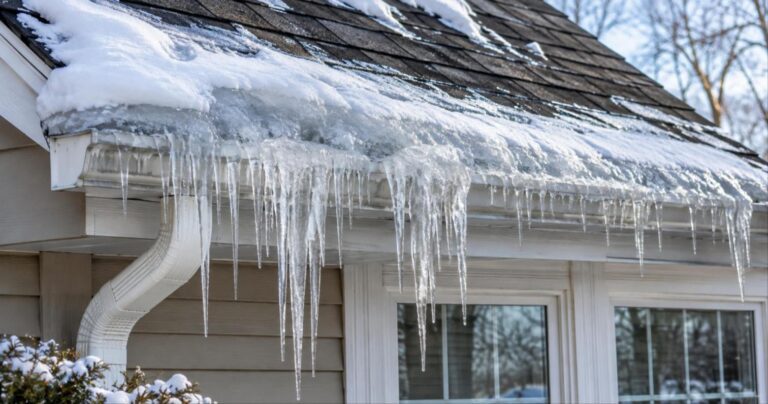
Ice dams form when heat escaping through the attic warms part of a snow-covered roof. Meltwater moves toward the colder eaves, freezes again, and creates a barrier. Additional water can then collect behind that ice and move beneath roofing materials. The U.S. Department of Energy explains that freeze-thaw cycles and ice dams can allow water to penetrate beneath shingles and into an attic. For Long Island homeowners, existing shingle, flashing, or underlayment problems can increase the risk of winter water intrusion.
Attic Ventilation Matters During a Long Island Winter
A new roof should work together with the home’s attic ventilation and insulation rather than functioning as a surface covering alone. Poor attic ventilation can allow heat and attic moisture to collect beneath the roof deck. Warm areas may contribute to uneven snow melting, while trapped moisture can encourage mold growth and damage roofing components. The Department of Energy’s guidance on durable attics identifies moisture control and proper ventilation as important parts of attic durability. A ventilation upgrade during replacement may also support better energy efficiency and indoor comfort.
Why Fall Is Often a Good Time for Roof Replacement
Fall often provides a useful window for roof replacement on Long Island because homeowners can address damage after summer and storm season while preparing for winter weather. Moderate temperatures may also help asphalt shingles seal more readily than during prolonged cold conditions. Scheduling before winter gives a roofing contractor time to inspect the existing roof, order roofing materials, address permit processing when required, and choose a suitable installation date. Waiting until a roof begins leaking during snow or freezing rain can limit scheduling options and turn a planned home improvement project into an urgent repair.
How Far in Advance Should You Schedule?
There is no universal booking period because seasonal scheduling depends on contractor availability, project size, material selection, permit delays, and weather. Homeowners who already know their roof needs replacement should start the process before late fall rather than waiting for the first winter storm. An early roof inspection provides time to compare roofing materials, review material costs and labor costs, confirm insurance coverage when storm damage is involved, and complete any required building permits. Planning ahead also provides flexibility if coastal storms or extended rain push the project duration back several days.
Do Roofing Costs Change by Season?
Roofing costs can change throughout the year, but season alone does not determine the final price. Material costs, market inflation, roof size, pitch, access, decking repairs, ventilation work, flashing details, and the chosen roofing material all affect the estimate. A complex metal roofing system will have different costs from a standard asphalt shingle roof, while synthetic slate, wooden shingles, metal panels, and low-slope membrane systems also have different installation requirements. Winter weather can affect project duration and scheduling, but homeowners should compare the complete scope of work instead of choosing a replacement date based only on seasonal pricing.
Why Long Island Roofing Codes and Permits Matter
Roof replacement must meet applicable building codes and local permit requirements. New York’s current Residential Code addresses roof assemblies, including roof coverings, wind resistance, flashing, drainage, and replacement of existing roof coverings. The state’s 2025 Uniform Code became fully effective on December 31, 2025. Requirements can still vary by local jurisdiction, so homeowners should verify permit requirements with their town or village. Proper permitting and installation help ensure the roofing system meets current safety requirements and manufacturer specifications.
Why Regional Knowledge Matters on Long Island
Long Island roofing conditions differ from those in places such as Poughkeepsie, Buffalo, or Rochester. Lake-effect snow is a major roofing consideration in parts of western New York, while Long Island is more directly influenced by Atlantic coastal weather. Homes here may experience coastal wind, wind-driven rain, salt air, freezing rain, snow accumulation, and frequent temperature changes during winter. That combination makes regional knowledge valuable when selecting asphalt shingles, metal roofing, ventilation systems, flashing, seamless gutters, and other components. Materials and installation methods should match the home’s exposure rather than relying on a one-size-fits-all roofing plan.
What Should Be Included in a Long Island Roof Installation?
A complete roof installation involves more than placing new shingles over a house. Depending on the system, work may include removing existing materials, examining wooden decking, installing underlayment, ice and water protection, drip edge, flashing, starter shingles, field shingles, ventilation, and ridge caps. Roof valleys and penetrations around vents, chimneys, and a pipe boot also need careful attention because these are common water-entry points. New York’s roofing requirements address the roof assembly as a system, which is why correct installation beneath the visible roofing material matters just as much as curb appeal.
Choosing Roofing Materials for Long Island Weather
Asphalt shingles remain a practical choice for many Long Island homes, while metal roofing, synthetic slate, wooden shingles, and membrane systems may suit particular structures or homeowner priorities. Material selection should consider wind exposure, roof slope, maintenance, cost, architectural style, and manufacturer specifications. Products designed for stronger wind resistance can be especially relevant for exposed coastal properties. A roofing contractor should explain how the selected system handles local winter weather rather than focusing only on appearance. The right roof combines suitable roofing materials with proper flashing, ventilation, underlayment, fastening, and shingle sealing.
Should You Replace the Roof Before Selling Your Home?
A deteriorated roof can become an issue when preparing a Long Island property for sale because buyers may notice missing shingles, stains, leaks, or visible aging during an inspection. Replacing a failing roof may improve curb appeal and remove a major maintenance concern for prospective buyers, but replacement is not automatically necessary before every sale. Homeowners should first determine the roof’s actual condition. If the system remains sound, targeted repairs may be sufficient. If widespread deterioration or water damage exists, replacement can address a significant property issue and potentially strengthen the home’s overall resale value.
Get a Roof Inspection Before Long Island Winter Arrives
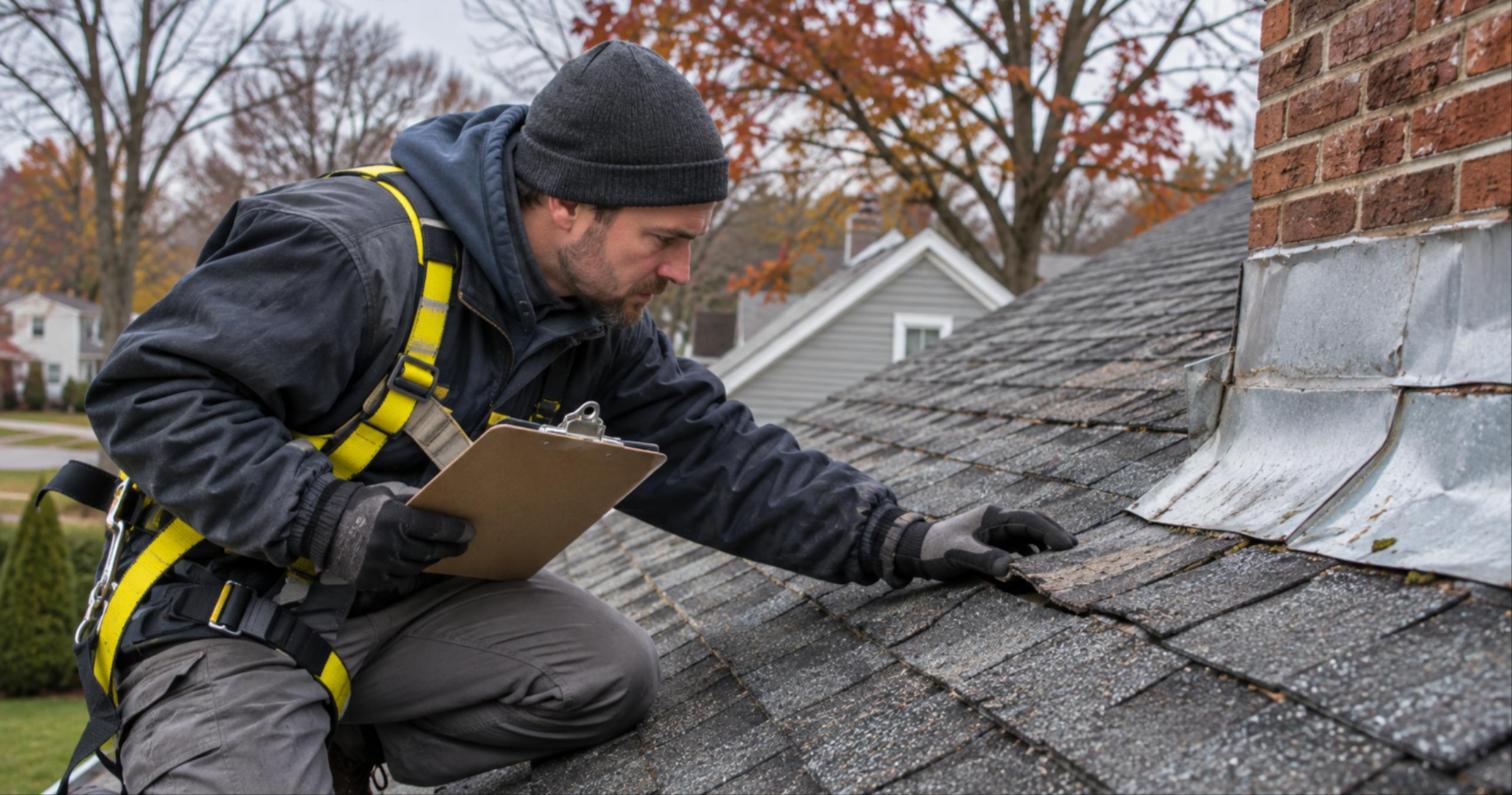
The best time to decide between repair and replacement is before snow, ice, and repeated freezing temperatures make an existing problem harder to manage. A roof inspection can identify damaged asphalt shingles, failing flashing, ventilation concerns, roof deck rot, storm damage, and early water intrusion before those conditions affect the attic or interior ceilings. JAGG Roofing, Siding & Windows provides roof replacement and inspections throughout Suffolk County and serves homeowners across Long Island. Addressing a vulnerable roof before winter can give the entire roofing system a better chance of handling the months ahead.
Roof Replacement Before Winter: Frequently Asked Questions
Can a roof be replaced in winter on Long Island?
Yes, roof replacement can be performed during winter in New York when weather conditions, materials, and manufacturer specifications allow it. Cold temperatures require extra planning, and snow, freezing rain, or ice can delay a project.
What temperature is too cold for asphalt shingles?
There is no single temperature that fits every product. Requirements depend on the specific shingle and manufacturer, so your roofing contractor should follow the manufacturer’s rating and cold-weather installation instructions.
Is fall a good time to replace a roof on Long Island?
Often, yes. Fall lets you address summer and storm damage before winter, and moderate temperatures help asphalt shingles seal more readily than during prolonged cold.
How early should I schedule a roof replacement?
There is no universal booking period, but homeowners who know their roof needs replacement should start before late fall rather than waiting for the first winter storm.
Jacob Giannelli is the founder of JAGG Roofing, Siding & Windows, serving Nassau and Suffolk County homeowners across Long Island. JAGG is an Owens Corning Preferred Contractor and BBB Accredited Business with a 5.0-star Google rating.