Get a free estimate.
Nassau & Suffolk County.
Vinyl siding is one of the most common exterior upgrades for Long Island homes, but homeowners replacing older siding usually have another decision to make: standard vinyl siding or insulated vinyl siding?
Both offer low-maintenance curb appeal, weather resistance, and a wide selection of colors and profiles. The primary difference is underneath the visible siding panel. Insulated vinyl siding includes a contoured foam backing that adds thermal resistance and support, while regular vinyl siding is installed without permanently attached insulation.
That difference can affect energy efficiency, impact resistance, comfort, installation costs, and how the exterior wall performs as a complete system.
What Makes Insulated Vinyl Siding Different?
Standard vinyl siding is manufactured primarily from polyvinyl chloride and serves as exterior cladding. It protects the wall from weather while creating the finished appearance homeowners see.
Insulated vinyl siding combines the siding panel with form-fitted foam insulation, commonly expanded polystyrene. The foam backing follows the profile of the siding and remains attached to it.
The U.S. Department of Energy describes insulated siding as a type of continuous insulation that can help reduce thermal bridging through wall framing.
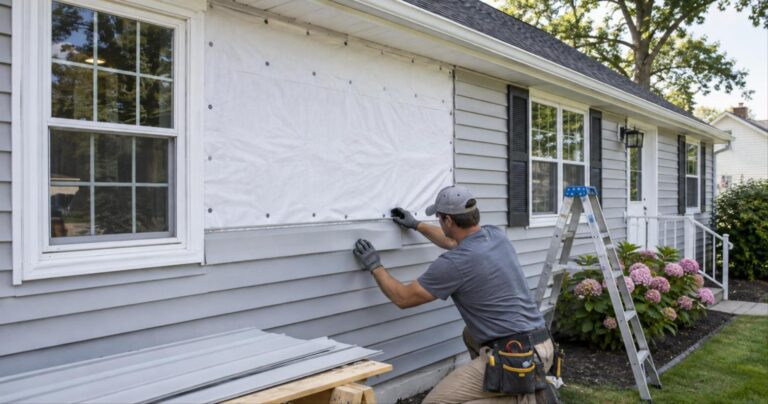
For Long Island homeowners considering a full siding replacement, removing the existing cladding also creates an opportunity to inspect the wall sheathing, house wrap, flashing, and insulation before the new exterior is installed.
Does Insulated Vinyl Siding Improve Energy Efficiency?
Yes, but it should be viewed as one component of the home’s thermal envelope rather than a complete insulation solution.
Wall studs conduct heat more easily than the insulation between them. This creates thermal bridging through the exterior wall. Because insulated siding places foam across much of the wall surface, it can provide a thermal break and reduce some of that heat transfer.
That may help maintain more consistent indoor temperatures during Long Island’s cold winters and hot, humid summers.
However, insulated siding cannot compensate for major air leaks or poorly insulated wall cavities. ENERGY STAR notes that a well-sealed building envelope combined with proper insulation can improve comfort and reduce heating and cooling costs.
That is why siding, air sealing, wall insulation, windows, and the HVAC system should be considered together rather than expecting one siding upgrade to dramatically change a utility bill.
How Do Standard and Insulated Vinyl Siding Compare?
| Feature | Standard Vinyl Siding | Insulated Vinyl Siding |
|---|---|---|
| Foam backing | No | Yes |
| Thermal performance | Minimal added insulation | Higher |
| Thermal bridging | Limited effect | Helps reduce it |
| Impact resistance | Varies by product | Foam can add support |
| Installation cost | Lower | Higher |
| Maintenance | Low | Low |
| Curb appeal | Many styles/colors | Many styles/colors |
| Wall profile | More flexible | More rigid/contoured |
The former Vinyl Siding Institute, now the Polymeric Exterior Products Association, recognizes insulated siding as a material that can contribute toward wall R-value requirements when properly tested and installed.
Homeowners comparing materials can also review JAGG’s complete Long Island siding services to see how vinyl compares with options such as fiber cement siding and other cladding materials.
What About Moisture Management?
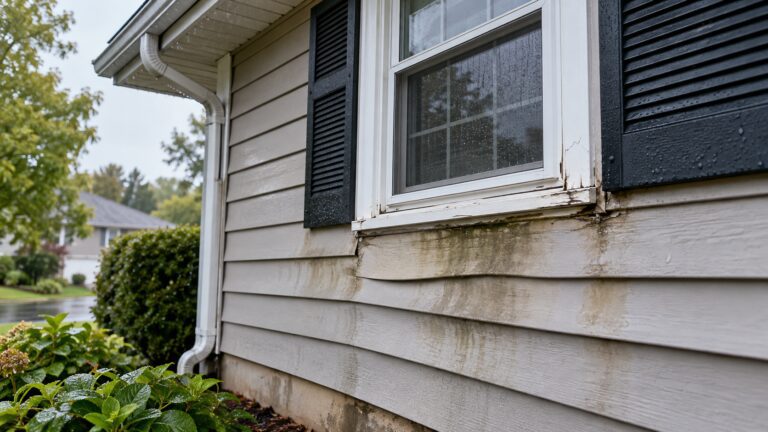
Adding foam does not eliminate the need for proper moisture management.
Vinyl siding is not intended to create an airtight or watertight vacuum seal around the home. Water that gets behind the siding needs a controlled way to drain and dry.
House wrap or another weather-resistant barrier, window flashing, penetrations, corner channels, and other building details still matter. Depending on the wall assembly, rigid foam insulation and drainage strategies can also affect vapor drive and drying potential.
Poor workmanship can create moisture intrusion regardless of whether the homeowner chooses insulated or non-insulated siding. Professional siding installation should therefore account for the entire exterior wall rather than simply fastening new siding panels over the existing surface.
Is Insulated Siding More Durable?
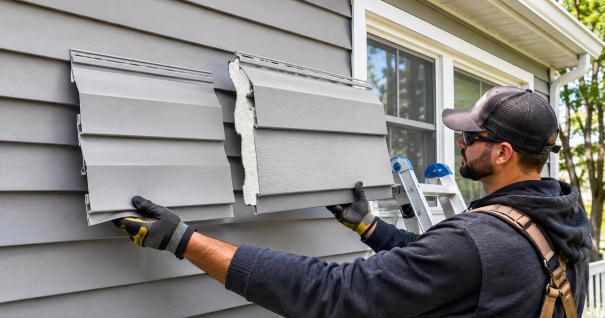
The foam backing gives each siding panel additional support, which can make the exterior feel more rigid and potentially improve resistance to certain impacts.
That can be useful on Long Island, where siding may face wind, storm debris, hail damage, and everyday impact damage. Insulated panels may also reduce some exterior noise because the additional material can dampen sound waves, although siding should not be considered a dedicated soundproofing system.
Both options remain relatively low maintenance compared with materials that require regular painting. Longevity ultimately depends on product quality, UV exposure, weather, installation, and how well moisture is controlled behind the cladding.
Is Insulated Vinyl Siding Worth the Extra Cost on Long Island?
For some homes, yes. For others, standard vinyl siding paired with a well-designed wall insulation system may provide better value.
Insulated siding generally carries higher material and installation costs because of its foam backing and additional installation details. The added expense may make more sense for an older Long Island home with limited exterior insulation, noticeable drafts, uncomfortable exterior walls, or a homeowner already planning a major siding upgrade.
The best comparison should look beyond the siding panel itself. Existing insulation, air infiltration, house wrap condition, wall sheathing, exposure to coastal weather, budget, and long-term plans for the home all matter.
JAGG Roofing, Siding & Windows can inspect the existing exterior and help determine whether standard or insulated vinyl siding makes more sense for the property. The better choice is not automatically the more expensive product. It is the siding system that provides the right balance of curb appeal, moisture protection, thermal performance, durability, and cost for your Long Island home.
Jacob Giannelli is the founder of JAGG Roofing, Siding & Windows, serving Nassau and Suffolk County homeowners across Long Island. JAGG is an Owens Corning Preferred Contractor and BBB Accredited Business with a 5.0-star Google rating.