Insulated
Siding
Insulated siding pairs an exterior finish with an energy-saving foam backing usually vinyl siding bonded to foam insulation that reduces heat loss through the walls. It's a smart choice during a Long Island exterior renovation, adding protection against New York's wind, moisture, and seasonal swings. JAGG installs and replaces it across Nassau and Suffolk County.
Is Insulated Siding Right for You?
It's worth considering during a siding replacement if you notice:
Finish Outside,
Insulation Behind
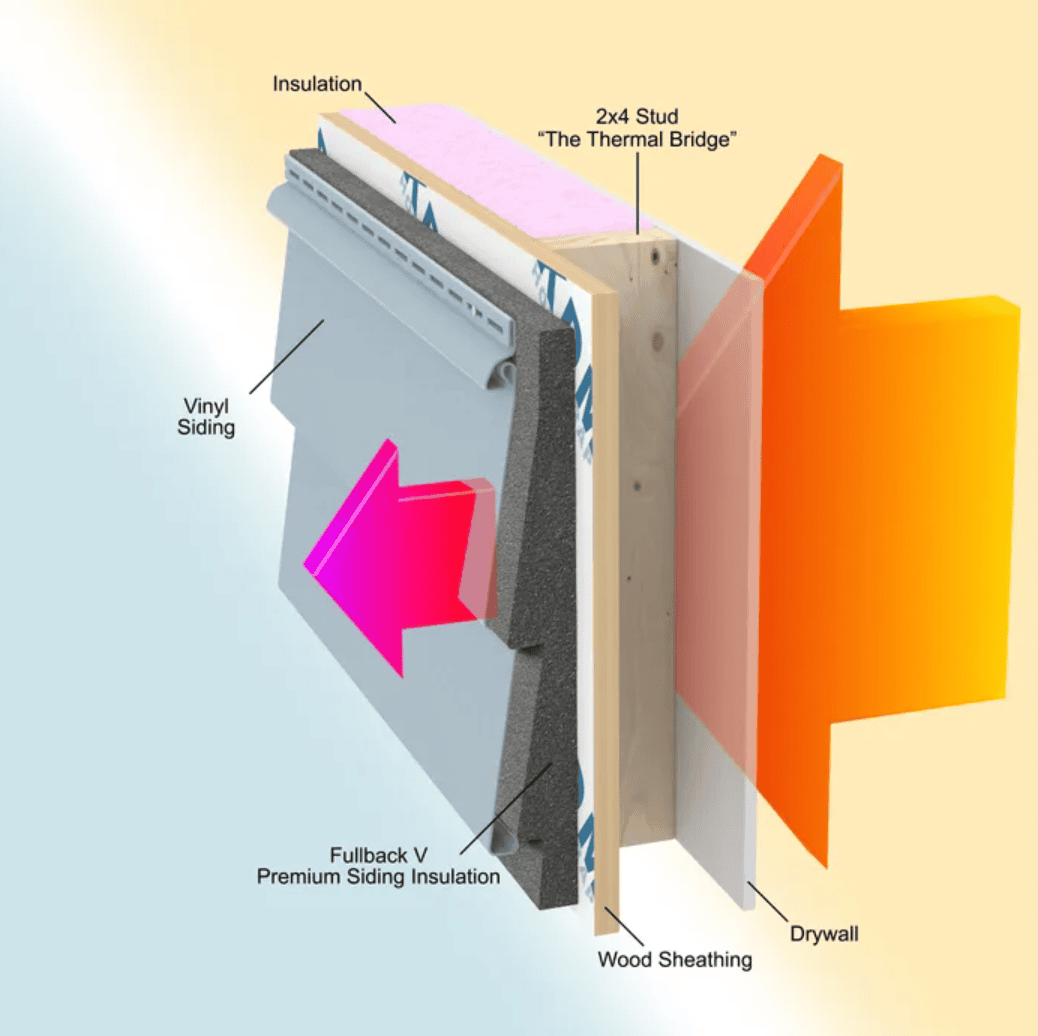
Insulated siding has two jobs in one panel. The outer siding protects the home's exterior surface, while a rigid foam backing fills the gaps behind the panel and reduces air movement through the wall covering. That combination can noticeably improve comfort in rooms that feel drafty or uneven through the year.
Homeowners often compare it with standard vinyl siding, as well as fiber cement siding, composite, acrylic, and wood. The best material depends on your home's condition, design goals, budget, color preferences, and exposure to Long Island's climate.
A Warmer Wall
as Part of the Picture
Insulated siding can support energy efficiency by reducing heat loss and helping the exterior wall perform better. It's important to be realistic: it doesn't replace proper attic insulation, air sealing, or efficient windows but it can be one piece of a larger energy-efficient upgrade.
ENERGY STAR notes that air sealing and adding insulation are cost-effective ways to improve comfort, reduce drafts, and cut energy waste. If you're dealing with high utility bills, cold walls, drafts, or uneven room temperatures, insulated siding is worth considering when you replace your siding.
Same Vinyl Look
Different Backing
Both give you a low-maintenance vinyl exterior in many colors. The difference is behind the panel and which one fits depends on your budget, comfort goals, and the condition of the existing walls. JAGG installs both.
Lightweight, cost-effective, and available in many colors a proven, budget-friendly exterior.
- Lower up-front cost is the priority
- Comfort and drafts aren't a concern
- Wide range of colors and profiles
- Low routine maintenance
The same vinyl finish with a foam backing that adds comfort and helps the wall resist heat loss.
- You feel drafts or cold walls indoors
- Rooms run unevenly warm and cold
- You want the siding to add comfort, not just looks
- It's part of a broader efficiency upgrade
Standing Up to
Long Island Weather
Salt air, rain, humidity, and winter freeze-thaw cycles are hard on exterior materials. Installed correctly, insulated siding helps protect the home's outside finish and improves moisture protection.
"Installed correctly" is the key phrase. Proper flashing, trim, caulking, and drainage details matter, because any siding can fail if water gets behind it. Before recommending materials, JAGG inspects the home for existing damage, rust stains, soft areas, and moisture issues so problems get solved, not covered up.
A Cleaner Look,
Less Upkeep
Insulated siding comes in a range of shapes, textures, and colors, giving a refreshed exterior without constant maintenance. Paired with updated trim, gutters, windows, and roofing, it can lift curb appeal and may support property value.
A variety of profiles and color options to create a cleaner, updated exterior finish that suits your home's style.
Low upkeepWeigh insulated siding against fiber cement, James Hardie, and wood so the final look is the right one for your home.
Side by sideSiding affects trim, gutters, windows, and roofing planning them together creates a finished, cohesive result.
Whole-home viewA clean, updated exterior can improve curb appeal and may help support property value when done well.
Curb appealA Stress-Free
Exterior Project
We walk through insulated siding, standard vinyl, and other options so you can weigh comfort, look, and budget.
Compare colors and textures, and coordinate them with your trim, gutters, windows, and roof before ordering.
We inspect for damage and moisture, then plan flashing, trim, and transitions for a watertight installation.
Professional installation by one exterior-focused team, with attentive service and a clean job site throughout.
Trusted Across
Long Island
"I recently had the pleasure of working with this company and couldn't be more impressed with the entire experience. From the initial consultation to the final installation, their professionalism truly stood out. My home looks amazing."
"JAGG was an absolute pleasure to work with. After doing my due diligence with multiple companies it became clear JAGG was the right choice. Jacob and his team did a fantastic job from start to finish."
"Outstanding work. They were extremely attentive and on time. The crew was professional throughout. Clean up was immaculate and the finished product exceeded my expectations. Highly recommend."
Insulated Siding FAQ
Considering
Insulated Siding?
JAGG helps Long Island homeowners plan siding installation, repair, and replacement with roofing, gutters, and windows handled by one exterior-focused team. Explore siding installation or request a quote to compare your options.