Get a free estimate.
Nassau & Suffolk County.
A professional roof inspection is a systematic evaluation of the roofing systemnot just a quick look at the shingles. The goal is to identify visible damage, developing weaknesses, moisture entry points, ventilation problems, drainage issues, and structural warning signs before they become larger repairs.
For Long Island homeowners, that matters because roofs are exposed to heavy rain, coastal winds, snow, ice, summer heat, and sudden storms throughout the year. A small flashing defect or lifted shingle can allow water beneath the surface even when there is no obvious ceiling leak.
A thorough inspection usually combines an exterior roof assessment with checks of the attic or accessible interior areas. The result should be a clear explanation of the roof’s condition and what, if anything, needs attention.
Why Professional Roof Inspections Matter
Roof problems are often easier to address when they are found early. Missing shingles, cracked sealant, deteriorated flashing, clogged drainage, or early moisture staining may be repairable before water reaches larger sections of decking, insulation, drywall, or framing.
Inspections can also establish a useful baseline for the roof’s health. If the system is still performing well, homeowners gain documentation of its condition. If wear is developing, they can plan maintenance or future replacement instead of reacting to an emergency.
The National Roofing Contractors Association recommends periodic roof inspections and says residential roof systems should generally be checked at least twice per year, preferably in spring and fall, with additional inspections after severe weather. Homeowners should not climb onto steep or damaged roofs without proper training and equipment.
What Does a Professional Roof Inspection Include?
The exact inspection process depends on the roof type, slope, accessibility, age, and reason for the visit. An asphalt shingle roof may require different attention than a metal or flat roofing system, but the inspector is generally looking at how the entire assembly manages water and protects the structure.
That includes the roof surface, edges, valleys, flashings, penetrations, drainage, ventilation, visible decking, and interior evidence of leaks. Chimneys, skylights, vents, gutters, fascia, soffits, and other adjoining components may also be checked because roofing failures often occur where different materials or surfaces meet.
The point is not simply to produce a list of defects. A professional should connect the findings to the likely cause and explain whether the condition calls for monitoring, maintenance, repair, or further investigation.

Shingles, Roofing Materials, and Surface Wear
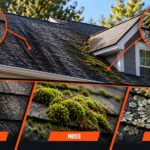
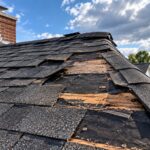
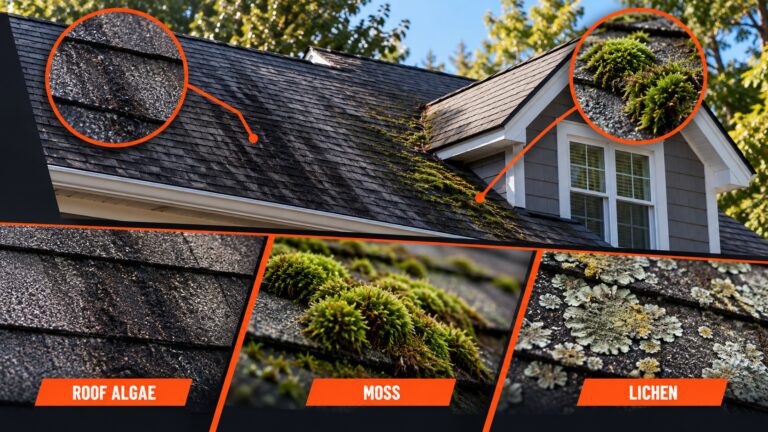
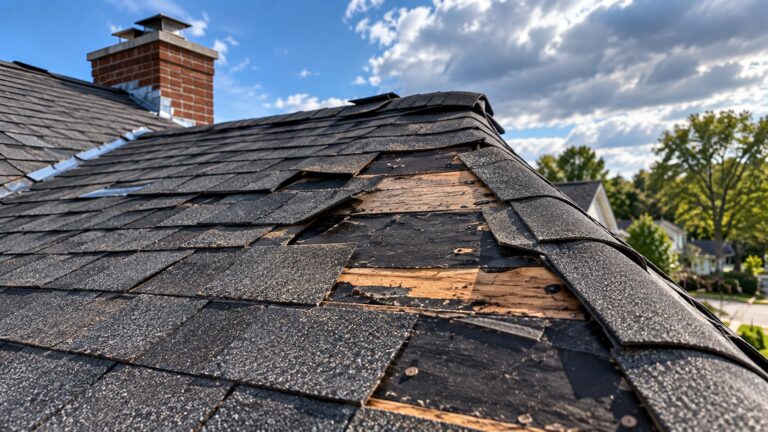
On an asphalt shingle roof, the inspector looks for missing, cracked, curled, buckled, or displaced shingles along with excessive granule loss and damaged ridge-cap materials. Dark streaking, moss or algae growth, blistering, exposed fasteners, and areas that look different from the surrounding roof may deserve closer attention.
Granule loss is useful to evaluate in context. Some shedding can occur as shingles age, but concentrated bald spots or significant deterioration may indicate that the protective surface is wearing away. Gutters can also collect loose granules and provide another clue.
Metal roofing is checked differently. Inspectors may look for loose fasteners, open seams, damaged panels, corrosion, failed sealants, and movement around penetrations. On flat or low-slope roofs, attention may shift toward membrane seams, punctures, blisters, drainage, ponding water, and transitions.
Flashing, Chimneys, Skylights, and Roof Penetrations
Flashing protects some of the most vulnerable parts of the roofing system. It is commonly used around chimneys, skylights, plumbing vents, walls, valleys, and other transitions where shingles or roof materials alone cannot reliably redirect water.
During an inspection, the contractor may look for loose, bent, corroded, improperly layered, or missing flashing. Sealant that is cracked or pulling away can also indicate a weak point, although simply applying more roofing cement is not always the correct long-term repair.
Chimneys deserve additional attention because masonry, chimney caps, counterflashing, and surrounding roofing can all contribute to leaks. Skylights may be checked for deteriorated flashing, failed seals, condensation, or water staining. Pipe boots and vents are small components, but one damaged boot or exposed fastener can create a significant leak.
Gutters, Valleys, Fascia, Soffits, and Drainage
Water has to leave the roof efficiently, which makes drainage part of a meaningful roof inspection rather than a separate exterior issue.
Valleys should be checked for debris, damaged materials, unusual wear, or signs that water is not flowing freely. Gutters may be inspected for clogs, sagging sections, loose attachments, corrosion, granule accumulation, or overflow.
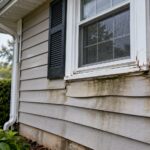
Fascia and soffits can reveal moisture problems around roof edges. Peeling paint, staining, soft wood, or deterioration may indicate recurring water exposure. Soffits also often contain intake ventilation, so blocked or damaged areas can affect attic airflow.
NRCA maintenance guidance specifically calls for attention to valleys, gutters, and roof drains because debris can limit proper drainage. An inspector should consider where water is supposed to go and whether anything is interfering with that path.
What Happens During the Attic and Ventilation Inspection?
The attic can reveal roofing problems that are difficult to diagnose from outside. When accessible, a contractor may inspect the underside of the roof deck for water stains, darkened wood, moisture, damaged sheathing, visible daylight, rusty fasteners, or other evidence of a leak.
Insulation condition can provide clues too. Wet, compressed, displaced, or stained insulation may indicate moisture intrusion. In some situations, moisture meters or infrared tools can help identify areas that deserve further investigation, although those tools do not replace visual inspection and professional judgment.
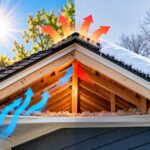
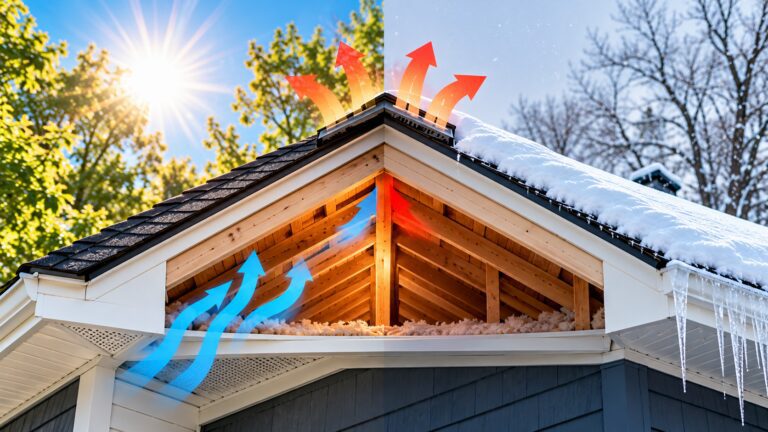
Ventilation is another major part of the assessment. Owens Corning’s contractor guidance calls for checking attic ventilation, roof decking, insulation, shingles, valleys, drip edge, flashing, and gutters as parts of a roofing-system evaluation. Balanced intake and exhaust ventilation helps manage attic heat and moisture.
Poor ventilation can contribute to condensation, excessive attic temperatures, ice-dam conditions, and premature stress on roofing materials. An inspection should therefore look at whether intake vents are blocked, whether exhaust ventilation is present, and whether the system appears to allow appropriate airflow. Owens Corning similarly describes balanced intake and exhaust as an important part of controlling heat and moisture within the roofing system.
Structural Condition, Roof Decking, and Signs of Water Damage
A roof inspection is not a substitute for a structural engineering evaluation when serious movement or framing damage is suspected, but roofing professionals still look for visible warning signs that suggest the structure needs attention.
From outside, those signs can include sagging roof planes, uneven ridgelines, depressed areas, or sections that appear abnormal. Inside an attic, the inspector may observe damaged decking, deteriorated rafters, unusual deflection, staining, or evidence of previous repairs.
Water damage is especially important because repeated moisture can weaken plywood, OSB, or older wood sheathing. Soft decking may not become obvious until someone accesses the roof or existing materials are removed during repair or replacement.
Interior clues also matter. Ceiling stains, peeling paint, bubbling drywall, damp insulation, or recurring moisture around chimneys and exterior walls can help trace the path of water. The location of a stain is not always the location where water entered.
When Should You Schedule a Roof Inspection?
Homeowners commonly schedule inspections after severe storms, when a leak appears, before buying or selling a property, or when an aging roof begins showing visible wear. An inspection can also be useful before installing solar panels or beginning exterior work that will interact with the roofing system.
After high winds, hail, or falling debris, do not assume the roof is fine simply because every shingle appears to be present from the ground. Wind can loosen seals, damage flashing, or affect ridge and edge materials without creating an obvious opening.
Long Island homeowners should pay particular attention after winter and major coastal storms. Ice dams, freeze-thaw conditions, wind-driven rain, and debris can expose weaknesses that were not noticeable during milder weather. Older roofs or systems with a history of leaks may also benefit from closer monitoring.
What Happens After a Professional Roof Inspection?
After the inspection, the homeowner should receive a clear explanation of what was found. Depending on the contractor and reason for the assessment, that may include photographs, measurements, notes about damaged areas, and recommendations for maintenance, repair, or replacement.
There is not one universal pass/fail standard for every roof inspection. The significance of a finding depends on whether the inspection is for routine maintenance, a real-estate transaction, an insurance claim, a repair estimate, or an evaluation before replacement. Active leaks, missing or severely deteriorated shingles, compromised flashing, damaged decking, poor drainage, significant membrane damage, and widespread moisture intrusion are among the findings that typically deserve prompt attention.
Other conditions may simply need monitoring. Moderate granule loss, aging sealants, isolated corrosion, minor moss growth, or ventilation deficiencies can be documented so homeowners understand what may need attention later.
If repairs are recommended, the proposal should identify the affected components instead of simply saying “roof repair.” Flashing replacement, shingle repair, pipe-boot replacement, decking work, ventilation correction, or gutter-related work should be explained separately when relevant.
A professional inspection does not automatically mean a homeowner needs a new roof. When damage is localized and the surrounding system remains sound, targeted repair may be the appropriate recommendation. Full replacement becomes more reasonable when deterioration is widespread, leaks repeatedly occur in different areas, structural decking is compromised, or repairs no longer provide a dependable long-term solution.
JAGG Roofing, Siding & Windows provides roof inspections, leak detection, roof repair, storm damage assessments, and complete roof replacement throughout Nassau and Suffolk County. JAGG’s current inspection approach evaluates visible roofing materials along with drainage, flashing, ventilation, gutters, soffits, fascia, and other vulnerable components.
Whether you are dealing with a leak, recent storm damage, an older roof, or simply want to understand the condition of your roofing system, a professional inspection provides a documented starting point. The value is knowing what needs attention now, what can be monitored, and what can be addressed before a small weakness develops into a larger roofing project.
Jacob Giannelli is the founder of JAGG Roofing, Siding & Windows, serving Nassau and Suffolk County homeowners across Long Island. JAGG is an Owens Corning Preferred Contractor and BBB Accredited Business with a 5.0-star Google rating.