Get a free estimate.
Nassau & Suffolk County.
Drafty windows can make a Long Island home feel colder even when the heat is running. The cause may be air leakage around the window frame, worn weather stripping, failed seals, poor installation, or heat transfer through older glass. Winter temperatures and coastal winds make these weaknesses easier to notice. The right fix may be air sealing, temporary insulation, or window replacement, depending on what is causing the cold air or heat loss.
Why Do Windows Feel Drafty in Winter?
Windows feel drafty when cold outdoor air enters through gaps or when cold glass creates noticeable air movement indoors. Warm air cools near the glass, becomes denser, and moves downward. This can feel like air infiltration even when the window is sealed. Long Island winters make the effect stronger, especially with single-pane glass or older double-pane windows. A cold area near the window does not always mean outdoor air is entering.
What Actually Causes Window Drafts?
True window drafts usually come from breaks in the building envelope. Common causes include gaps around the frame, loose sashes, worn seals, damaged caulk, or openings around trim. The stack effect can make leaks more noticeable because warm air rises and escapes higher in the home, pulling colder air through lower openings. ENERGY STAR recommends checking common air-leak locations, including windows, doors, attic openings, and basement areas.
| Draft Source | Typical Sign | Likely Fix |
|---|---|---|
| Worn weather stripping | Cold air along the sash or track | Replace the weather stripping |
| Gaps around frame or trim | Visible gaps or light at the edges | Caulk or air seal the stationary gap |
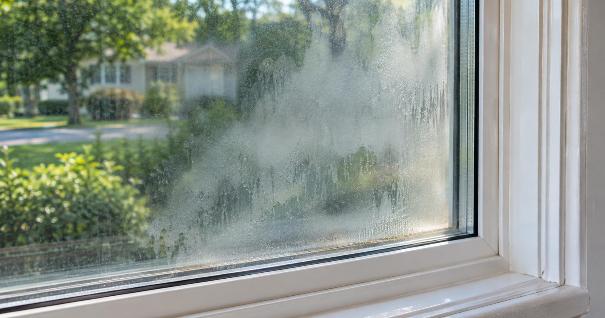
| Failed insulated glass seal | Fog or moisture between the panes | Replace the glass unit or window |
| Poor installation | Cold spots and drafts around the whole frame | Reinstall with proper insulation and sealing |
| Heat loss through the glass | Cold glass with no air movement | Add window film or upgrade to insulated glass |
Worn Weather Stripping and Window Seals
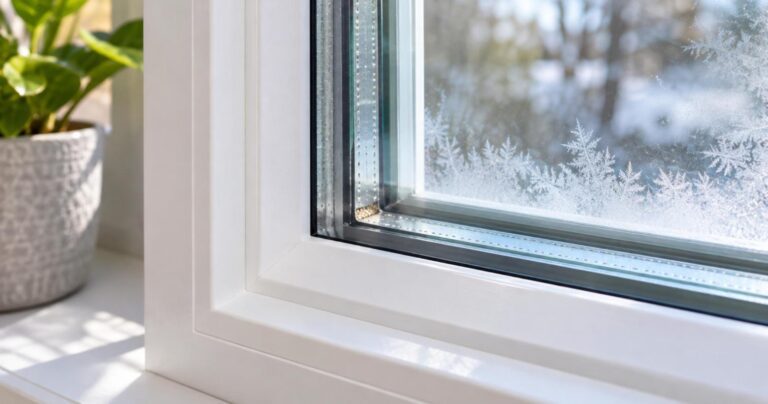
Weather strips seal moving parts of a window. Over time, they can flatten, crack, loosen, or pull away from the frame and allow cold air inside. Failed seals in insulated glass units may also let insulating gas escape or moisture collect between panes. Replacing worn weather stripping can reduce air leakage, while condensation buildup trapped between the panes often points to a failed insulated glass unit rather than a simple opening around the sash.
Can Faulty Installation Make My Home Feel Colder?
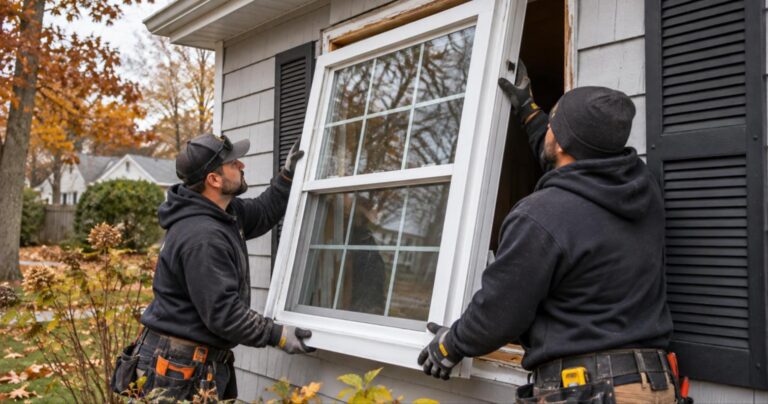
Faulty installation can make even a newer replacement window feel drafty. Gaps between the window frame and rough opening may allow air movement around the unit. Missing insulation, seam breaks, or poorly sealed trim can create cold spots and moisture intrusion. A blower door test or thermal imaging camera can help locate hidden leakage. Replacing the glass alone will not correct installation gaps if the air is entering between the frame and surrounding wall.
Is the Glass Itself Making My House Feel Cold?
Yes. Window glass can make a room feel colder even when no air leak is present. Heat moves from warmer areas toward colder ones, so indoor heat transfers through glass during winter. Single-pane glass loses more heat than insulated units. Double-pane windows and triple-pane windows use sealed air spaces or argon gas to slow heat transfer, while low-emissivity coatings and insulated glass can further improve thermal efficiency and winter comfort.
How Can I Tell If My Windows Are Really the Problem?
Check for visible gaps, rattling sashes, damaged weather stripping, condensation between panes, or cold air around window tracks. ENERGY STAR suggests a paper test by closing the window on a sheet of paper and seeing whether it slides easily, which may indicate a weak seal. If several cold rooms exist throughout the house, the problem may also involve attic bypasses, rim joists, plumbing penetrations, home insulation, or other air leaks elsewhere in the building envelope.
Does Plastic Window Film Actually Keep My Home Warmer?
Plastic window film can reduce drafts and heat loss when installed correctly. The film creates an extra insulating air pocket and can block leakage when it covers gaps around the window. ENERGY STAR describes shrink-to-fit plastic window film as an inexpensive option for drafty windows. A hair dryer is often used to tighten plastic film after installation. It is temporary, however, and cannot repair damaged frames, failed seals, or serious moisture intrusion.
Does Caulking Around My Windows Permanently Fix Drafts?
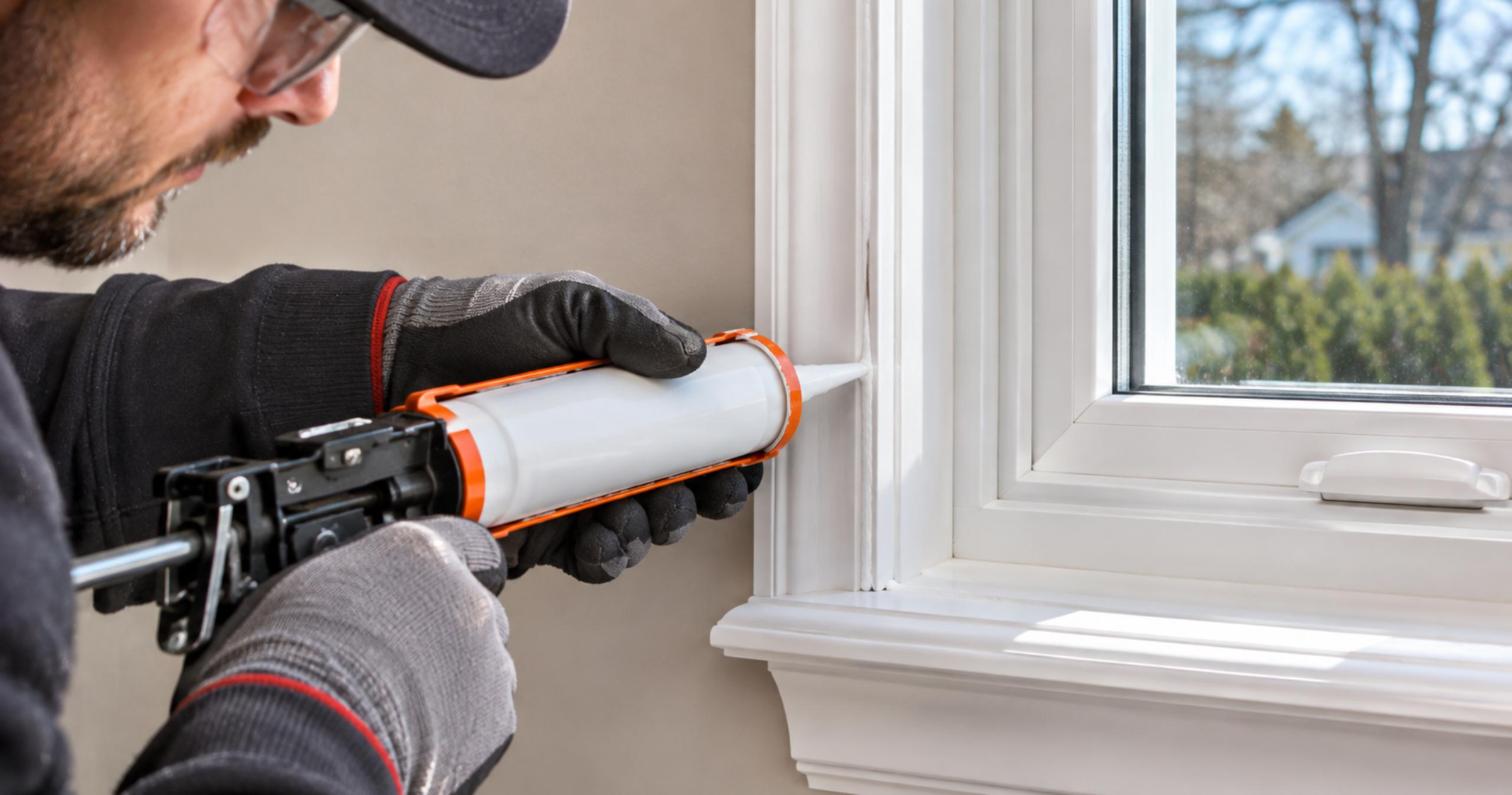
Caulk works well when air leakage comes from a stationary gap around the frame or trim. It does not fix every window draft, and caulking moving parts can prevent proper operation. Worn weather stripping may need replacement, while larger gaps may require closed-cell spray foam or another air-sealing material. Reusable rope caulk and foam tape can provide seasonal help. The correct repair depends on exactly where the air movement is entering and why the original seal failed.
Are My Windows Drafty Just Because They Are Old?
Age increases the chance of drafts, but older windows are not automatically defective. A well-maintained window can still perform if its frame, seals, hardware, and glass remain sound. Newer windows can also leak when installation is poor. Long Island homes face cold winters, humid summers, coastal air, and repeated temperature differences that stress window components. Condition, thermal performance, installation quality, and air leakage matter more than age alone when choosing between repair and replacement.
What Should I Look for in a Draft-Resistant Replacement Window?
Look for windows designed to reduce both air leakage and heat transfer. Useful features include insulated frames, double-pane or triple-pane glass, insulated glass units, low-emissivity coatings, and argon gas between panes. Window performance ratings such as U-factor and air leakage help compare thermal efficiency. Cellular or honeycomb shades and thermal-lined curtains may improve comfort further, but proper installation remains critical because gaps around even a high-performance window can still cause energy loss and drafts.
When Should Long Island Homeowners Consider Window Replacement?
Window replacement may make sense when drafts return after air sealing, frames are damaged, seals repeatedly fail, condensation remains between panes, or windows become difficult to operate. Higher energy bills and uncomfortable rooms can also justify a professional evaluation. JAGG Roofing, Siding & Windows provides window replacement on Long Island for homeowners dealing with drafty windows, aging frames, failed glass, and other window performance problems.
Drafty Windows: Quick Answers
Why do my windows feel cold even when they are closed?
Cold glass cools the nearby air, which becomes denser and sinks, creating a draft-like feeling. Gaps around the frame, worn weather stripping, and failed seals can also let outdoor air in.
How can I test a window for air leaks?
ENERGY STAR suggests closing the window on a sheet of paper. If the paper slides out easily, the seal may be weak. Visible gaps, rattling sashes, and cold air near the tracks are other clues.
Will plastic film or caulk fix a drafty window?
They can help. Shrink-to-fit film and caulk reduce leakage at stationary gaps, but they are temporary or limited fixes and cannot repair failed seals or damaged frames.
When is window replacement worth considering?
Consider replacement when drafts return after air sealing, frames are damaged, seals repeatedly fail, condensation stays between the panes, or windows are hard to operate.
Jacob Giannelli is the founder of JAGG Roofing, Siding & Windows, serving Nassau and Suffolk County homeowners across Long Island. JAGG is an Owens Corning Preferred Contractor and BBB Accredited Business with a 5.0-star Google rating.