Get a free estimate.
Nassau & Suffolk County.
Siding is one of the main weather barriers protecting a Long Island home, but no siding material lasts forever. How long it performs depends on the product, installation quality, maintenance, sun exposure, moisture, storms, and what is happening behind the panels. On Long Island, coastal humidity, wind-driven rain, winter freeze-thaw cycles, salt air near the shoreline, and summer UV exposure can all influence siding durability.
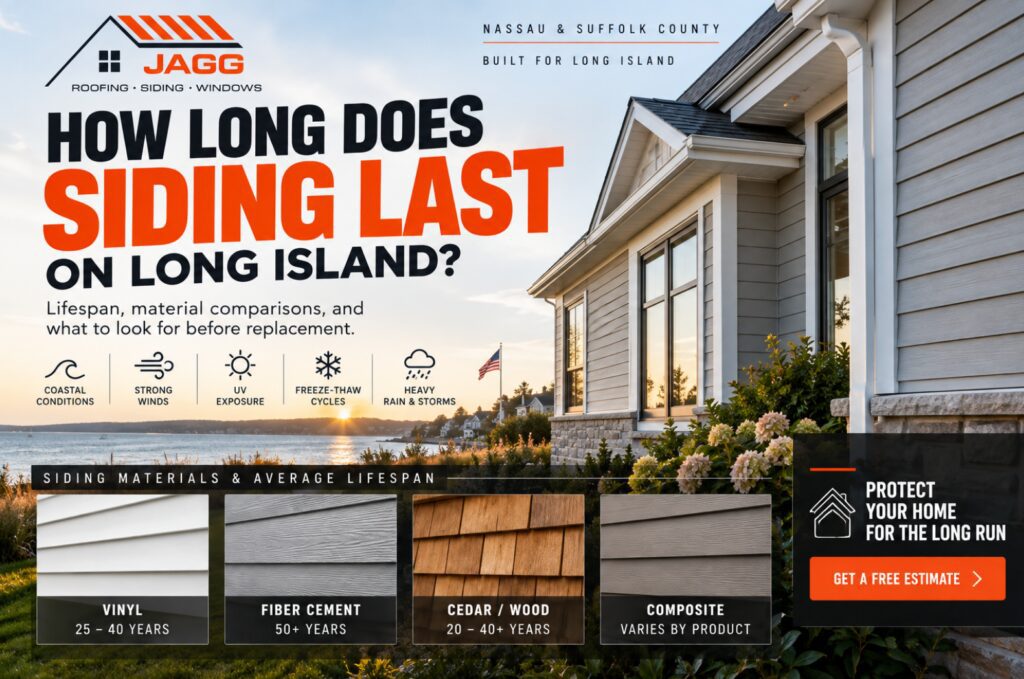
As a planning range, properly installed vinyl siding often lasts about 25–40 years, while fiber cement can last 50 years or more. Wood and cedar siding can also last for decades, but their lifespan depends much more heavily on repainting, staining, caulking, and moisture control. Composite products vary by manufacturer and system. These are useful expectationsnot expiration dates. JAGG currently lists vinyl at 25–40 years and fiber cement at 50+ years for its Long Island siding systems.
A 30-year-old exterior that remains flat, dry, secure, and properly sealed may still perform well, while poorly installed siding can fail much earlier.
How Long Does Siding Last on Long Island?
For most homeowners, the answer is roughly 20 years to 50+ years depending on the material. JAGG Roofing, Siding & Windows installs vinyl, fiber cement, cedar, and composite siding across Nassau and Suffolk County.
Age alone should not determine when siding replacement happens. Installation details around windows, doors, roof-to-wall transitions, corners, fascia, and soffits can matter as much as the panels themselves. Siding that allows moisture infiltration behind the wall can develop hidden problems even while the exterior still looks acceptable.
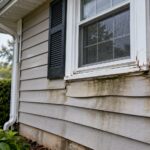
A professional siding inspection therefore looks at both lifespan and condition. Loose panels, warped sections, cracked caulk, dry rot, mold or mildew, impact damage, and water staining can all shorten the practical service life of an exterior.
Vinyl Siding: 25–40 Years
Vinyl siding is widely used on Long Island because it requires little routine maintenance and does not need repainting. Higher-quality products are available in many profiles, thicknesses, and colors, and insulated vinyl can add another layer to the wall assembly for homeowners interested in energy efficiency and indoor comfort.
Its weak points are usually physical damage or installation problems rather than rot. Panels can crack from impact, loosen after storms, buckle if installed too tightly, or fade after years of UV exposure. High winds can also expose weak fastening or locking points. If damaged sections are isolated and matching material is available, siding repair may extend the life of the exterior without a full replacement.
CertainTeed, for example, describes several of its vinyl siding lines as virtually maintenance free and backs them with lifetime limited warranties. A warranty should not be confused with a guaranteed service life, but it is worth reviewing manufacturer coverage when comparing products.
Fiber Cement Siding: 50+ Years
Fiber cement is often selected when homeowners want a longer-lived exterior with the appearance of painted wood and greater resistance to moisture, pests, and fire. JAGG lists fiber cement and James Hardie among its siding options for Long Island homes.
James Hardie states that its fiber cement siding is engineered to resist water, humidity, weather, and pests and carries a 30-year non-prorated limited substrate warranty. General siding-lifespan guidance from the company places fiber cement at 50 years or more.
That does not make the siding maintenance-free. Paint or factory finish, caulk joints, trim transitions, and clearances from roofs, decks, soil, or other surfaces still need attention. Installation is also important because incorrect fastening, insufficient clearances, or poor flashing can allow moisture problems around an otherwise durable panel.
Cedar, Wood, Composite, and Metal Siding
Wood and cedar siding can last for decades when they are protected from persistent moisture and regularly maintained. The tradeoff for their natural appearance is greater upkeep. Paint or stain eventually weathers, caulk can separate, and exposed wood can develop dry rot, swelling, insect damage, or peeling if moisture infiltration is ignored.
Composite siding is a broader category, so homeowners should evaluate the exact product rather than assume every composite system has the same lifecycle. JAGG currently works with composite systems, including products designed to provide moisture resistance, impact performance, and a wood-like appearance.
Older Long Island homes may also have aluminum or other metal siding. Metal does not rot like wood, but dents, scratches, coating failure, oxidation, and salt-air corrosion can affect appearance and performance over time. If the panels remain secure and the wall behind them is dry, age by itself does not necessarily mean the siding needs to be removed.
What Shortens Siding Life on Long Island?
Moisture is one of the biggest threats to any exterior wall system. Wind-driven rain can enter around failed caulk, poorly flashed windows and doors, damaged panels, or roof-to-wall intersections. Once moisture gets behind the siding, it can affect sheathing, insulation, and framing without producing an immediate exterior warning.
Long Island’s climate adds repeated stress. Summer UV exposure can fade colors and make some materials more brittle. Winter temperature changes cause materials to expand and contract. Coastal storms create high winds and impact damage, while homes nearer the water may experience more salt exposure on metal components.
Installation quality can shorten siding life just as dramatically as weather. Vinyl needs room to move as temperatures change. Fiber cement requires manufacturer-specified fastening, clearances, and flashing. Wood needs appropriate moisture management. Every system depends on details around windows, doors, utility penetrations, door trims, fascia, and soffits.
Routine maintenance helps catch these problems before they spread. JAGG recommends regular siding inspection, caulk and seal checks, and timely repair to help prevent moisture damage, dry rot, mold, and mildew.
Signs Your Siding May Need Replacement
Homeowners should start thinking about siding replacement when damage becomes widespread rather than waiting for a specific birthday. Warping or buckling across multiple walls, frequent loose panels, large cracks, significant fading, repeated storm damage, and sections that can no longer be matched are all reasons to evaluate the entire exterior.
Soft spots, swelling, peeling finishes, or rotted wood deserve faster attention because they can indicate water damage. Mold or mildew that repeatedly returns may also point to moisture infiltration rather than a surface-cleaning problem.
Inside the home, unexplained drafts, cold exterior walls, or rising energy bills can sometimes accompany gaps in the exterior or inadequate insulation, although many other building systems can cause the same symptoms.
Repair can still be the better option when one panel was damaged by debris, caulk failed around a single opening, or a small cedar area needs restoration. Replacement becomes more attractive when maintenance is constant, moisture damage extends behind multiple sections, or the homeowner wants to improve insulation, curb appeal, and weather protection at the same time.
New siding can also be coordinated with replacement windows. Removing old siding creates an opportunity to inspect sheathing and improve flashing or moisture-barrier details around window openings rather than covering existing problems.
How to Extend Siding Life and When to Call JAGG
The best way to maximize siding lifespan is relatively simple: keep it clean, keep water moving away from the wall, and repair small failures before they become wall-system problems.
Periodically walk around the house and look for loose panels, cracks, open seams, failed caulk, impact marks, peeling paint, rot, staining, or vegetation holding moisture against the exterior. Keep gutters functioning so roof runoff does not repeatedly wash down siding or saturate areas near the foundation, and trim branches that strike the house during storms.
Wood siding should be repainted or stained when its protective finish begins wearing down, while damaged caulk and trim should be renewed with products appropriate for the siding system.
Professional installation is equally important. JAGG installs vinyl, insulated vinyl, fiber cement, James Hardie, cedar, and composite siding for homeowners throughout Nassau and Suffolk County and provides siding repair and residential siding replacement when existing materials can no longer provide reliable protection.
JAGG’s current siding process includes a free on-site estimate, exterior inspection, dedicated project manager, installation documentation, final walkthrough, and warranty documentation. The company also handles roofing and energy-efficient replacement windows, which can be useful when siding replacement is part of a larger exterior renovation.
The key is not to replace siding simply because an online lifespan chart says it has reached a certain age. Use lifespan as a planning tool, then look at the actual condition of the material and the wall beneath it. Well-installed siding that is maintained and kept dry can provide decades of service; siding with chronic moisture infiltration or poor installation may need attention much sooner.
Roof Vents, Skylights, and Other Penetrations
Every opening through the roof creates a detail that must stay watertight. Plumbing vents, exhaust vents, skylights, satellite mounts, and other penetrations rely on flashing, boots, seals, or compatible roofing components to keep water out.
Rubber vent boots can crack as they age. Fasteners can loosen. Skylight seals or surrounding flashing can deteriorate. Sometimes the skylight itself is blamed even though water is entering higher on the roof and traveling toward the opening.
When a leak appears near a bathroom, kitchen, or HVAC equipment, the source may not even be the roof. Plumbing fixtures, condensation lines, or HVAC equipment can also create moisture. A careful inspection helps separate a true roof leak from another water source before roofing materials are removed unnecessarily.
Clogged Gutters, Roof Edges, and Ice Dams
Gutters do not normally cause a leak in the middle of a healthy roof, but poor drainage can contribute to water problems around roof edges, fascia, soffits, and low areas. Leaves and debris can slow drainage and cause water to overflow or back up where roofing components meet.
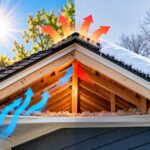
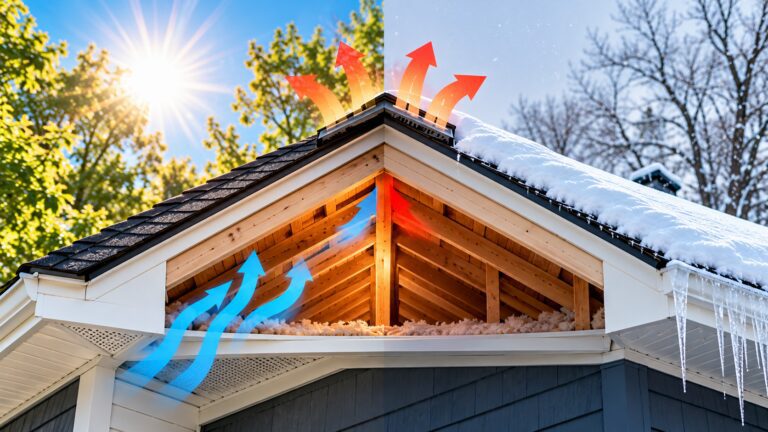
Winter creates another Long Island concern: ice dams. Heat escaping into the attic can melt snow higher on the roof. That water can refreeze near colder eaves, creating a ridge of ice that prevents additional meltwater from draining. Water can then back up beneath shingles and enter the roof assembly.
Proper attic insulation and ventilation can reduce conditions that contribute to ice damming, while ice and water protection beneath roofing materials provides an additional layer of defense in vulnerable areas.
Flat Roofs and Low-Slope Roofing Systems
Flat and low-slope roofs have different leak patterns than steep asphalt-shingle roofs. TPO, EPDM, modified bitumen, and other roofing membranes depend heavily on intact seams, flashing, drainage, and penetrations.
Punctures, separated seams, deteriorated flashing, blocked drains, and water pooling can all become leak sources. Because water moves slowly across flatter surfaces, the visible leak may be far from the original membrane damage.
Metal roofs can also leak around seams, fasteners, penetrations, transitions, or damaged flashing. Salt air and moisture exposure may contribute to corrosion on susceptible metal components, particularly in coastal areas of Nassau and Suffolk County.
Where You Notice Water | Possible Source | What Should Be Checked |
|---|---|---|
Near a chimney | Flashing or masonry | Step flashing, counterflashing, mortar, chimney cap |
Around a skylight | Flashing, seal, or uphill leak | Skylight flashing and surrounding shingles |
At an exterior wall or eave | Ice dam, edge flashing, or gutter issue | Roof edge, insulation, ventilation, drainage |
Below a flat roof | Membrane or drainage failure | Seams, penetrations, flashing, ponding water |
What Water Stains, Mold, and Damp Insulation Can Tell You
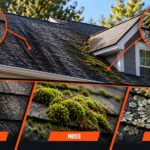
Interior symptoms help narrow the investigation. Brown or yellow water stains on ceilings and walls can indicate that moisture has moved beyond the roof deck. Damp attic insulation, darkened sheathing, rusty nails, peeling paint, or musty odors may point to a leak that has existed longer than the homeowner realized.
Mold growth can occur when building materials remain damp, but visible mold does not automatically identify the roof as the source. Condensation and plumbing problems can produce similar symptoms. Moisture mapping, targeted water testing, or thermal imaging may sometimes help a professional investigate difficult leaks, although these tools work best when combined with a physical roof inspection.
Homeowners should also remember that the roof may stop leaking before the materials inside have dried. A ceiling stain that is no longer dripping does not prove the problem has repaired itself.
When a Leak Means Repairand When Replacement May Be Better
A localized roof leak can often be repaired when the surrounding roofing system remains sound. Replacing several damaged shingles, correcting flashing, installing a new vent boot, or repairing a small membrane area may solve the problem without replacing the entire roof.
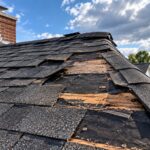
Replacement becomes more reasonable when leaks repeatedly develop in different areas, shingles are extensively deteriorated, the decking has widespread moisture damage, or an aging roofing system requires constant repairs. The inspection should determine that recommendation rather than the existence of one leak alone.
Repair cost also depends on accessibility and scope. A simple shingle repair is different from rebuilding chimney flashing, replacing damaged decking, or tracing a water path beneath multiple roof layers. That is why an accurate roof leak repair estimate generally requires inspecting the property instead of applying one average price to every leak.
Why Long Island Weather Makes Roof Leaks More Complicated
Long Island homes experience weather from several directions throughout the year. Heavy rain can expose drainage problems, while wind-driven rain can push moisture beneath flashing or shingles that appear secure during calmer conditions.
Coastal salt air can gradually affect exposed metals, including certain flashing, fasteners, and roof accessories. Winter presents a different challenge through snow, ice dams, and repeated freeze-thaw cycles. Summer heat can contribute to aging sealants and roofing materials, especially when attic ventilation is poor.
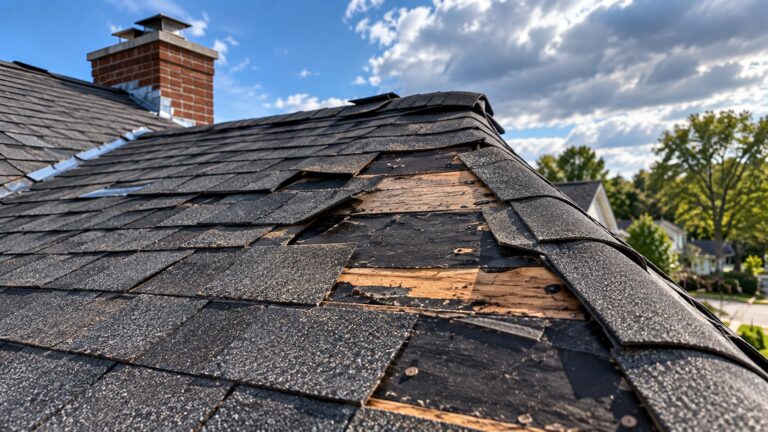
Storm damage may also remain hidden. A strong storm can loosen a shingle seal or damage flashing without leaving a large missing section that is obvious from the ground. The roof may not leak until the next storm arrives from the right direction.
Regular gutter maintenance, periodic roof inspections, proper ventilation, and timely repair of damaged roofing materials can reduce the chance that these smaller weaknesses turn into larger water problems.
What Should You Do When Your Roof Starts Leaking?
Start by limiting interior damage. Move belongings away from the wet area and use a container to catch dripping water when it is safe to do so. If water is near electrical fixtures, outlets, or wiring, avoid the area until the electrical hazard has been addressed.
Do not climb onto a wet, icy, steep, or storm-damaged roof to find the source. Exterior roofing work can be dangerous, and temporary repairs performed in poor conditions can create additional damage. From the ground, homeowners can photograph missing shingles, fallen branches, damaged gutters, or other visible storm impacts.
If the leak followed severe weather, document visible damage before permanent repairs begin when circumstances allow. New York homeowners policies can include different standard, windstorm, and hurricane deductibles, and coastal properties in Nassau and Suffolk counties may be particularly affected by wind or hurricane deductible provisions. Coverage ultimately depends on the individual policy and cause of damage.
JAGG Roofing, Siding & Windows provides roof leak detection, shingle and flashing repair, storm damage documentation, emergency protection, and roof replacement throughout Nassau and Suffolk County. JAGG’s current repair process includes written estimates and inspection of problems involving shingles, flashing, gutters, and leaks.
The most important thing is not to ignore a leak simply because the rain stopped. Water intrusion can damage decking, attic insulation, ceilings, and walls before the next visible drip appears. Finding the actual source early gives homeowners a better chance of limiting the repair to the part of the roofing system that failed.
Jacob Giannelli is the founder of JAGG Roofing, Siding & Windows, serving Nassau and Suffolk County homeowners across Long Island. JAGG is an Owens Corning Preferred Contractor and BBB Accredited Business with a 5.0-star Google rating.