Get a free estimate.
Nassau & Suffolk County.
A roof leak has a way of looking small from inside the house. You notice one brown spot near the ceiling after a storm and assume a few shingles need replacing. Then the roofing contractor gets on the roof and finds damaged flashing, wet decking, or missing shingles several feet away from where the water appeared. That is why roof repair costs on Long Island vary so widely. For many homes in Nassau County and Suffolk County, a repair may cost a few hundred dollars, while water damage, storm damage, or a complicated roof design can push the project into the thousands.
How Much Does Roof Repair Cost on Long Island?
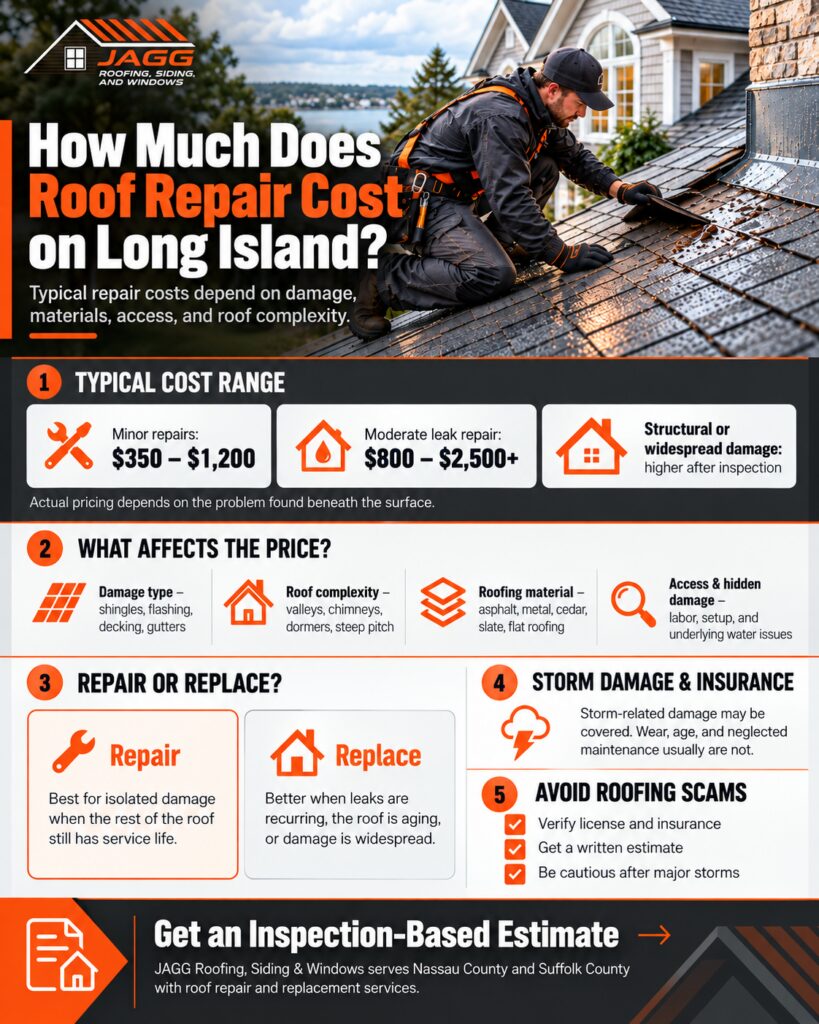
Most smaller roof repairs on Long Island fall around $350 to $1,200, while moderate roof leak repair involving flashing, multiple shingles, or a larger damaged section can cost roughly $800 to $2,500 or more. Extensive structural damage can go higher. The final roofing costs depend on roof size, roofing material, labor costs, accessibility, and the condition beneath the visible surface. An asphalt shingle roof with one damaged area is usually less expensive to repair than metal roofing, cedar shake, slate roof systems, or complicated Flat Roofing sections requiring specialty materials and technical skill.
Typical Roof Repair Costs by Problem
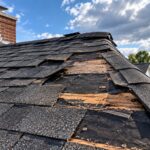
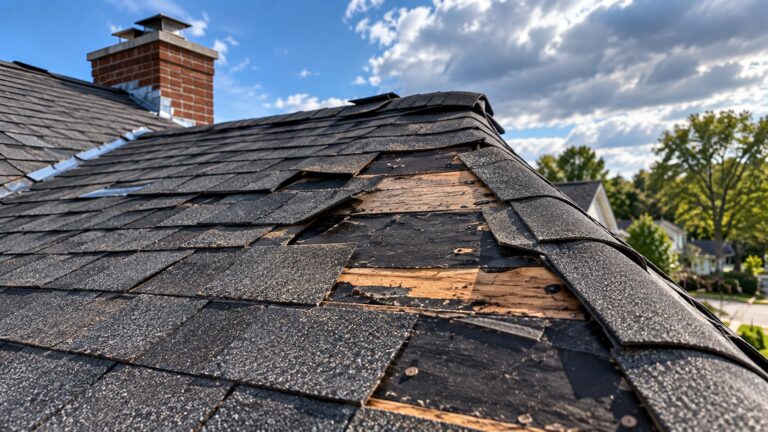
Replacing a few missing shingles is usually at the lower end of the cost range because the roofing contractor can isolate the affected area. Roof leak repair becomes more expensive when the source involves flashing around a chimney, skylight, valley, or vent. Gutter Repair, damaged fascia, chimney cap problems, and localized decking replacement can also increase the scope. After heavy snow or wind, storm-related damage may affect several sections at once. The more roofing material that must be removed to locate and repair the underlying problem, the higher the material costs and labor rates will typically be.
What Factors Affect Roofing Repair Prices?
Roof complexity is one of the biggest pricing factors. A simple Gable roof provides easier access than a roof design with several valleys, dormers, steep sections, chimneys, and intersecting slopes. Roof pitch matters because steeper surfaces require additional safety equipment and slower installation. Contractors must also consider layers of shingles, roof deck condition, attic ventilation, and whether previous repairs were completed correctly. Long Island labor costs are another factor. A roofing cost estimator can provide a planning range, but an on-site inspection gives the contractor the information needed to create an accurate cost breakdown.
How Do Roof Size and Complexity Affect Cost?
Roof size affects repairs differently than it affects a full Roof Replacement. A small leak on a large home does not automatically mean an expensive repair because contractors price the damaged area and labor required to reach it. Complexity can matter more. A repair twenty feet above a simple garage roof may be straightforward, while the same damaged asphalt shingles near a steep valley and chimney can require significantly more setup. Modern roofing companies may use drone inspections, satellite measurement, or satellite AI to understand dimensions before work begins, but physical inspection is still important for finding soft decking and hidden water problems.
Does Roofing Material Change the Repair Price?
Yes. Asphalt shingles are common throughout Long Island and are generally among the simpler roofing materials to repair because replacement shingles are readily available and individual damaged sections can often be removed. Metal roofing requires different tools and installation methods. Cedar shake and slate roof repairs may require specialty materials and greater technical skill. Flat roofing sections also behave differently because leaks can travel beneath membranes before becoming visible indoors. Material availability, matching existing products, and the workmanship required all affect cost. Homeowners should also ask whether repairs preserve any existing manufacturer or workmanship warranty.
How Does Long Island Weather Affect Roof Damage?
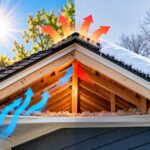
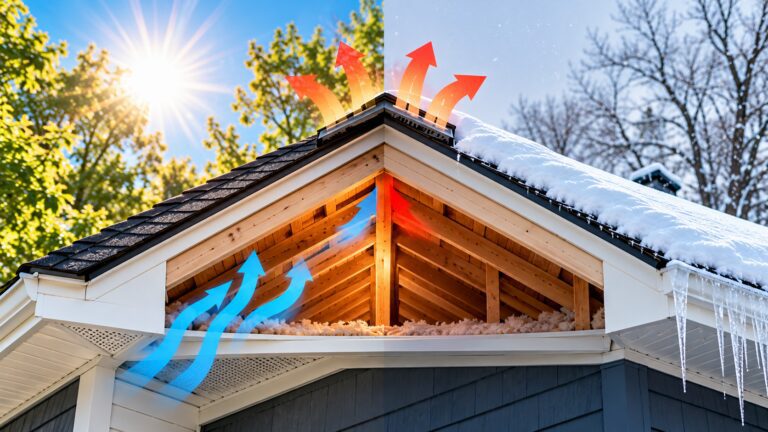
Long Island roofs deal with coastal winds, driving rain, heavy snow, summer storms, and repeated freeze-thaw cycles. Water can enter beneath a lifted asphalt shingle, then freeze and expand during colder weather. Over time, that movement can damage the roof deck and widen a small opening. Poor attic ventilation can also contribute to ice dams when warm attic air melts rooftop snow that later refreezes near the edge. The National Roofing Contractors Association recommends regular roof inspections and additional checks after severe weather because early repairs help maintain a roof system’s ability to keep water out.
When Is Roof Replacement Better Than Repair?
Repair usually makes sense when damage is isolated and the surrounding Asphalt roof still has useful service life. Roof Replacement becomes more practical when there are widespread missing shingles, recurring leaks, deteriorated decking, several layers of shingles, or an aging roof with problems in multiple areas. Repeatedly spending money on separate repairs can become less economical than replacing the roofing system. A replacement also creates an opportunity to improve attic ventilation, underlayment, flashing, and energy efficiency. The decision should be based on the roof’s overall condition rather than assuming every roof problem requires an entirely new system.
Will Homeowner Insurance Cover Storm Damage?
Homeowner insurance may cover certain sudden losses caused by wind, fallen trees, hail, or another covered event, but coverage depends on the specific policy and cause of damage. Normal wear, neglected maintenance, and age-related deterioration are generally treated differently from storm damage. Homeowners should photograph visible damage and document when the event occurred before temporary work changes the area. Insurance claims may require an adjuster inspection and detailed contractor documentation. A reputable roofing contractor can document storm-related damage without promising that an insurance company will approve the claim or attempting to control decisions that belong to the homeowner and insurer.
What Hidden Costs Should You Ask About?
A repair estimate should explain more than the price of shingles. Ask whether labor costs, disposal, flashing, underlayment, roof deck replacement, permits, and cleanup are included. Water damage sometimes continues beneath the roofing material, so deteriorated plywood may not become visible until shingles are removed. Chimney repair, flue liner issues, gutters, fascia, siding services, and ventilation problems may also be separate from the roofing scope. If a project becomes large enough to justify Roof Replacement, ask about material choices, financing plans, the interest rate, workmanship warranty, and available roof financing options before signing the agreement.
How Do You Avoid Roofing Scams in Nassau and Suffolk?
Be cautious when a storm chaser appears immediately after severe weather and pressures you to sign before the roof has been properly inspected. Check licensing, liability insurance, written warranties, project details, and local references before hiring an exterior contractor. Suffolk County specifically includes roofing within work requiring a home improvement license and advises consumers to verify contractors and obtain multiple written estimates through its Consumer Affairs licensing resources. Nassau County also regulates home improvement contractors. Local expertise matters because established crews understand Long Island weather, common housing styles, permitting, and regional roofing problems.
Get an Accurate Long Island Roof Repair Estimate
The best way to price a repair is to inspect the actual roof rather than relying entirely on an online roofing cost estimator. JAGG Roofing, Siding & Windows provides roof repair throughout Long Island, including Nassau County and Suffolk County. The roof repair process can identify missing shingles, flashing failures, storm damage, leaks, deteriorated decking, and other roof problems before recommending the appropriate work. JAGG is an Owens Corning Preferred Contractor and offers repair, replacement, Flat Roofing, metal roofing, siding, windows, and other exterior home improvement services. A written inspection-based estimate gives homeowners a clearer picture of what needs fixing now and what can wait.
Jacob Giannelli is the founder of JAGG Roofing, Siding & Windows, serving Nassau and Suffolk County homeowners across Long Island. JAGG is an Owens Corning Preferred Contractor and BBB Accredited Business with a 5.0-star Google rating.