Get a free estimate.
Nassau & Suffolk County.
Windows affect comfort, energy efficiency, moisture control, curb appeal, and the way your home handles Long Island weather. When windows get old, damaged, or poorly sealed, they can let outdoor air, water, and noise enter the home. This can raise energy bills, strain air conditioning, and create conditions for mold growth around the window frame. JAGG Roofing, Siding, and Windows helps Long Island homeowners understand when repair is enough and when window replacement is the better long-term choice.
Why Windows Matter for Long Island Homes
Long Island homes deal with humid summers, coastal winds, heavy rain, salt air, cold winters, and seasonal temperature swings. These conditions can wear down seals, frames, flashing, glass, and exterior trim. When a window stops protecting the home, it can affect indoor comfort, moisture levels, and the surrounding siding or wall structure. A weak window opening may also allow water infiltration that spreads into insulation, drywall, or framing. Replacing the right windows at the right time helps protect the house and improve daily comfort.
Windows also connect to other exterior systems, including roofing, trim, house wrap, and siding. If those details are not working together, water can move behind the wall and create hidden damage. This is why window replacement should not be viewed as only a glass upgrade. It is also a home protection project. For many Long Island homeowners, new windows can improve energy performance, reduce outdoor noise, brighten rooms, and make the exterior look cleaner from the front lawn.
How Long Do Windows Last?
Most windows last for many years, but their lifespan depends on material, installation quality, weather exposure, maintenance, and the condition of the surrounding wall. A well-installed replacement window may perform for decades, while a poorly sealed or storm-damaged window can fail much sooner. Long Island weather can shorten that life when salt air, wind-driven rain, and freeze-thaw cycles affect seals and frames. If your windows are difficult to operate, drafty, fogged between panes, or leaking water, age may no longer be the main issue. Performance matters more than the calendar.
Homeowners should also consider whether the windows still match the needs of the home. Older windows may not have Low-E glass coatings, strong weatherstripping, insulated frames, or modern glass packages. Even if they still open and close, they may allow more heat loss, solar heat gain, and outdoor noise than newer replacement windows. If several windows have the same issues, full or partial replacement may provide better value than repairing each unit one at a time.
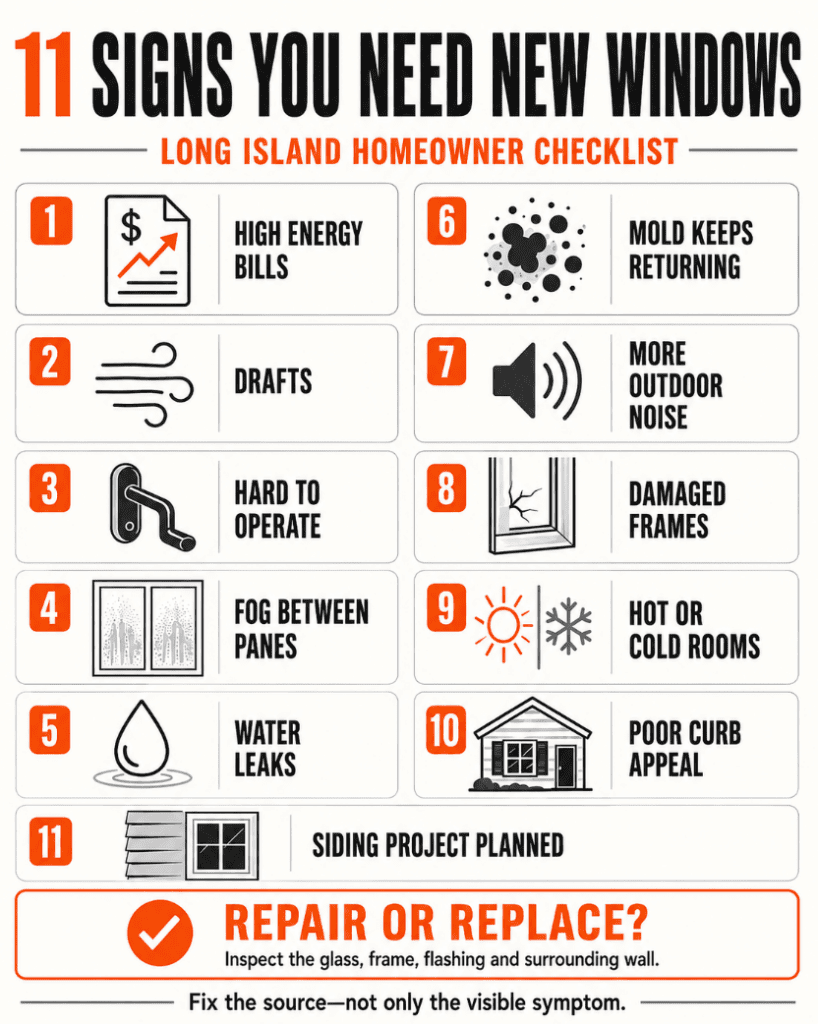
Sign 1: Your Energy Bills Keep Rising
Rising energy bills can be one of the first signs that your windows are no longer performing well. When old windows leak air, your heating and air conditioning systems must work harder to keep rooms comfortable. This can happen when weatherstripping fails, frames warp, seals break, or the glass no longer insulates well. On Long Island, this can be noticeable during humid summer cooling season and cold winter heating season. New replacement windows with stronger energy performance can help reduce drafts, improve comfort, and support lower utility costs over time.
Energy bills can rise for many reasons, so windows should be evaluated as part of the full home envelope. Poor attic insulation, old doors, air leaks, and aging HVAC equipment can also affect costs. Still, windows are a common weak point because they sit directly between indoor conditioned air and outdoor weather. If certain rooms feel uncomfortable even when the heating or cooling system is running, window performance may be part of the problem. A professional review can help determine whether air sealing, repair, or window replacement makes sense.
Energy Efficiency Features to Look For
Energy-efficient windows include several features that help improve comfort and performance. Low-E glass coatings help manage heat transfer. Inert argon gas between panes helps improve insulation when the glass seal is intact. Strong weatherstripping helps reduce drafts, while quality frame materials help limit heat movement around the opening. ENERGY STAR explains that windows, doors, and skylights are rated by U-factor and solar heat gain coefficient based on climate zone through its climate zone finder. For Long Island homeowners, the best window should match local weather, sun exposure, and heating and cooling needs.
Sign 2: You Feel Drafts Near the Window Frame
A draft near the window frame usually means outdoor air is entering through gaps, failed seals, or poor installation points. This matters because air leakage can make rooms feel colder in winter and warmer in summer. The problem may come from worn caulk, old weatherstripping, a shifted frame, or hidden damage around the opening. If you feel moving air even when the window is closed and locked, the window may not be sealing correctly. Drafts are not only uncomfortable. They can also affect energy efficiency and indoor temperature balance.
Drafts can also make homeowners overuse heating and cooling systems. A room that feels cold may lead you to raise the thermostat, even if the problem is air leakage around one wall. In summer, the same issue can allow warm, humid outdoor air into the home. That can make air conditioning run longer and may increase indoor humidity. If drafts appear around multiple windows, replacement windows may improve comfort more than small sealing repairs. If only one window is affected, repair may still be worth considering.
Sign 3: Windows Are Difficult to Operate
Windows that are difficult to operate can create comfort, safety, and security problems. A double-hung window should open, close, and lock without forcing it. If the sash sticks, drops, will not stay open, or refuses to lock, the frame may be warped, the balance system may be failing, or moisture may have swollen the materials. This can make daily ventilation harder and may become a concern during emergencies. A window that does not close tightly may also allow outdoor noise, drafts, and moisture to enter the home.
Operation problems often get worse over time. A homeowner may start by forcing the window open in spring and then stop using it completely by summer. That reduces fresh air, limits ventilation, and can make some rooms feel stuffy. If the window cannot lock properly, it may also create a security concern. In homes with children, window guards or safety practices may also matter depending on the window location. A properly installed replacement window should operate smoothly, lock securely, and support safer daily use.
Sign 4: You See Condensation Between Glass Panes
Condensation between glass panes often points to a failed insulated glass seal. Many modern windows use multiple panes with an insulating space between them. That space may contain inert argon gas to improve energy performance. When the seal fails, moisture can enter between the panes, and the insulating gas may escape. The result is foggy glass that cannot be wiped clean from inside or outside. This affects visibility, energy efficiency, and the overall appearance of the window. In many cases, replacement is more practical than trying to restore a failed sealed unit.
Foggy glass can also hurt curb appeal. From the outside, failed window seals can make a home look older or poorly maintained. From inside, the cloudy glass can block natural light and make rooms feel less clean. If the problem appears in one window, a targeted repair or replacement may be possible. If it appears across many windows from the same era, the full window package may be reaching the end of its useful life. A window inspection can help separate one failed unit from a larger pattern.
Sign 5: There Is Water Infiltration or a Water Leak
Water infiltration around windows should be addressed quickly because small leaks can lead to larger home renovation problems. A water leak may show up as staining below the sill, bubbling paint, soft drywall, damaged trim, or damp carpet near the wall. The cause may be failed flashing, cracked caulk, old windows, siding gaps, or storm damage. If water keeps entering, it can affect insulation, framing, and nearby exterior materials. Long Island homes are especially vulnerable during wind-driven rain, coastal storms, and summer downpours. Fixing the source matters more than covering the stain.
Water leaks near windows can also be mistaken for plumbing leaks or roof leaks. The stain may appear below the window, beside the trim, or on a ceiling under an upper-floor window. Because water can travel inside walls, the visible mark is not always directly under the entry point. A proper inspection should look at the window frame, flashing, siding, trim, roofline, and exterior sealant. If the window opening has been leaking for a long time, the repair may involve more than the window itself.
Water Damage Warning Signs
Water damage around windows can show up in several ways. Some signs are obvious, while others are easy to miss until the wall is opened. Long Island homeowners should watch for:
- Brown or yellow stains under the window
- Soft or swollen window trim
- Peeling paint near the sill
- Bubbling drywall around the frame
- Musty odors near the wall
- Damp carpet below a window
- Rusted window hardware
- Cracked caulk or separated sealant
- Visible gaps between siding and trim
- Mold growth that keeps returning
If these signs appear after rain, the window opening should be checked before the damage spreads.
Sign 6: Mold Growth Appears Around the Window
Mold growth around a window often means moisture is collecting where it should not. Condensation, water leaks, poor ventilation, and high indoor humidity can all create the right conditions for mold spores to grow. The EPA explains in its guide to mold, moisture, and your home that moisture control is the key to mold control. For windows, that source may be a leak, failed seal, poor insulation, or damaged frame. Hidden mold can also form behind trim or drywall if the moisture problem continues.
Mold near windows may also appear during humid Long Island summers when indoor and outdoor temperature differences create condensation. Air conditioning can cool the glass and nearby surfaces, while humid air adds moisture. If the window is poorly insulated or air is leaking around the frame, condensation may become more frequent. The problem may not be the window alone, but the window can be part of the moisture pattern. The EPA also notes that condensation on windows can be a sign of high humidity and should be addressed by reducing the moisture source.
When Mold Means More Than Cleaning
Small surface mold may sometimes be cleaned, but repeated mold around the same window is a warning sign. If moisture keeps returning, the window or surrounding opening may have a deeper problem. The issue may involve condensation, poor air sealing, exterior water infiltration, or hidden wall damage. Cleaning the visible mold without fixing the moisture source allows the problem to come back. Homeowners should look for soft wood, musty odors, staining, or peeling paint. These signs can point to damage beyond the surface and may require professional evaluation.
Sign 7: Outdoor Noise Is Getting Louder
Outdoor noise can become more noticeable when windows lose their seal or no longer provide enough insulation. Long Island homeowners near busy roads, schools, commercial areas, train lines, or dense neighborhoods may hear more traffic, landscaping equipment, and general outdoor noise inside the home. Older single-pane windows or poorly sealed windows often allow more sound to pass through. Replacement windows can improve noise reduction when they include better glass packages, tighter seals, and proper installation. While no window makes a room completely silent, better windows can make the home feel calmer and more comfortable.
Noise reduction is not only about glass thickness. The full window system matters, including the frame, sash, installation, and air sealing around the opening. Even a high-quality window can underperform if gaps are left around the frame. This is why proper installation is so important. If a home feels louder after storms, exterior wear, or nearby construction, the seals may be weakening. For homeowners who work from home, have young children, or live near active roads, quieter windows can improve daily quality of life.
Sign 8: The Window Frame Is Soft, Warped, or Cracked
A damaged window frame can affect the entire opening. Soft wood, warped vinyl, cracked trim, and separated joints may allow air and water to enter the wall. These problems often happen after years of moisture exposure, poor drainage, storm damage, or failed caulking. Once the frame loses strength, the window may become difficult to operate or impossible to seal correctly. This can lead to higher energy bills, mold growth, and structural damage around the opening. If the frame is damaged, simply replacing glass may not solve the real problem.
Frame damage should be taken seriously because it can spread into nearby materials. Water can move from the window frame into sheathing, insulation, and wall studs. Over time, that may weaken the surrounding structure and increase repair costs. If you can press a screwdriver into the trim or sill, or if the frame feels soft after rain, the issue is more than cosmetic. Replacing the window and correcting the exterior water path can help stop future damage. In some cases, siding or trim repairs may also be needed.
Sign 9: Your Home Feels Hot in Summer or Cold in Winter
Uneven indoor temperature can be a sign that your windows are not helping the home envelope do its job. During Long Island summers, weak windows can allow heat gain that makes air conditioning run longer. During winter, drafty or poorly insulated windows can make rooms feel cold even when the heating system is working. Low-E glass coatings can help control heat transfer by reflecting certain types of heat while allowing natural light into the home. The right window package can improve comfort and reduce the workload on heating and cooling systems.
Hot and cold rooms may also point to a larger efficiency issue. The U.S. Department of Energy explains that air sealing can help reduce drafts and improve comfort. Windows are one part of that air sealing picture. If the window itself is old, damaged, or poorly installed, sealing around the home will not fully solve the problem. A balanced approach may include window replacement, insulation, weatherstripping, and HVAC review. The goal is to make the home more comfortable without forcing the mechanical system to work harder.
Sign 10: Your Windows Hurt Curb Appeal
Windows are one of the first things people notice from the street. Faded frames, broken grids, foggy glass, damaged trim, or mismatched replacement windows can make a home look older than it is. This matters for everyday pride of ownership and for homeowners thinking about selling. New windows can improve curb appeal when they match the home’s style, siding, trim, roofline, and front entry. For Long Island homes with vinyl siding, insulated vinyl siding, fiber cement, brick veneer, or mixed exterior materials, window design should feel connected to the full exterior.
Curb appeal also affects how buyers view maintenance. When windows look clean, even, and well-installed, the home appears cared for. When they are foggy, rotted, or hard to open, buyers may wonder what else has been ignored. A full exterior plan can make a major difference. JAGG works across roofing, siding, and windows, which helps homeowners think through the whole exterior instead of treating windows as a separate detail. That is especially helpful when the home already needs siding repair, storm damage repair, or a larger exterior update.
Sign 11: You Are Planning Siding or Exterior Renovation
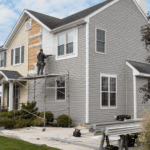
Window replacement often makes sense during a larger exterior renovation. If you are replacing vinyl siding, insulated vinyl siding, fiber cement, trim, or exterior sheathing, it may be the right time to review window condition. This is because windows, siding, flashing, and weather barriers all meet at the wall opening. Replacing windows after new siding can sometimes mean disturbing finished work. Coordinating both projects can help improve water management, air sealing, and the final appearance. It also helps avoid mismatched trim details or repeated labor around the same openings.
This is also the time to review the home’s exterior style. Window color, grille pattern, trim width, and glass style can change how the home looks from the curb. If the siding is being updated, the windows should support that design rather than look like an afterthought. Homeowners may also want to review front-facing windows, bay windows, and rooms with strong sun exposure. A well-planned project can improve comfort and curb appeal at the same time.
Why Windows and Siding Should Be Planned Together
Windows and siding protect the same wall system. If one is replaced without checking the other, hidden issues can be missed. Planning the projects together can help with:
- Better flashing around window openings
- Cleaner exterior trim details
- Improved water management
- Stronger air sealing
- Reduced risk of damaging new siding later
- A more consistent exterior appearance
- Better coordination of colors and materials
- Fewer repeated labor steps
This does not mean every siding project requires new windows. It does mean that old or damaged windows should be reviewed before new exterior materials are installed.
Should You Repair or Replace Your Windows?
Repair may be enough when the issue is limited to worn hardware, minor caulking gaps, or a simple screen problem. Replacement may be the better choice when the window has failed seals, water damage, soft frames, poor energy performance, or repeated operating issues. Homeowners should also compare the age of the windows, repair cost, and whether the same problem is likely to return. If one window has severe damage, nearby windows on the same side of the home may have similar weather exposure. A professional inspection helps separate small repairs from true replacement needs.
Repair decisions should also consider the full cost of ownership. A small repair that lasts for years may make sense. A repair that only delays replacement for a few months may not. If the window is old, inefficient, and visibly damaged, repeated repairs may become frustrating. If the home has several failing windows, replacing them in phases may be more practical. The right plan depends on budget, priorities, and the condition of the exterior wall.
Repair May Be Enough When
Some window problems do not require full replacement. A careful repair may solve the issue when the frame is solid and the window still performs well. This is common when the concern is minor wear rather than system failure. Repair may be enough when:
- The lock, crank, or balance needs adjustment
- The caulk has a small, isolated gap
- The screen is torn but the window is sound
- The trim has minor cosmetic damage
- The window operates smoothly after hardware repair
- There is no water infiltration or frame softness
- The glass seal has not failed
- The problem is limited to one small area
Replacement Is Usually Better When
Window replacement is usually better when the window no longer protects the home from air, water, heat transfer, or moisture. A failing window can affect comfort and create damage around the wall opening. Replacement may be the stronger option when:
- The glass is fogged between panes
- Water leaks appear during rain
- The window frame is soft, cracked, or warped
- Drafts continue after basic sealing
- Mold keeps returning around the frame
- The sash will not open, close, or lock
- Energy bills keep rising without another clear cause
- Outdoor noise has become more noticeable
- Several windows have the same problems
- You are already replacing siding or exterior trim
Should You Install New Windows Before Selling?
New windows can help before selling when the current windows are visibly worn, difficult to operate, drafty, or causing moisture concerns. Buyers often notice foggy glass, soft frames, water stains, and damaged trim during showings or inspections. These issues can raise questions about hidden mold, structural damage, and future repair costs. Replacing problem windows before listing may improve curb appeal and reduce objections during the sales process. The choice depends on budget, timing, market conditions, and the condition of the rest of the exterior. Targeted replacement can sometimes make more sense than replacing every window.
Window replacement before selling should be strategic. If the whole house has aging windows, a full replacement may help the home show better and feel more updated. If only a few windows have obvious defects, targeted replacement may solve the main buyer concerns. Homeowners should also think about the outside photos. Clean, consistent windows can make listing images look stronger. The Cost vs. Value report can also help homeowners understand how replacement projects are often viewed in resale planning, though local market conditions can vary.
Rebates, Tax Credits, and Home Energy Assessments
Before starting a window replacement project, homeowners may want to review home energy assessments, energy rebates, and federal tax credits. NYSERDA offers a home energy plan and no-cost virtual home energy assessments for New York homeowners of one-to-four family homes. The IRS also provides information on the energy efficient home improvement credit, including rules for qualifying exterior windows and skylights. These programs can change, so homeowners should confirm current details before making financial decisions.
Energy-related programs may also point homeowners toward broader improvements. Air sealing, insulation, electrical service upgrades, heat pumps, and other efficiency improvements may be considered along with new windows. Low- and moderate-income households may also qualify for certain forms of energy-related assistance through state or utility programs. The best first step is to understand where the home is losing energy. From there, homeowners can decide whether windows should be part of a larger efficiency plan or handled as a focused exterior replacement project.
How to Choose Replacement Windows for Long Island
Choosing replacement windows is not only about picking a style from a brochure. Homeowners should think about energy performance, frame material, glass package, maintenance, warranty, and the way the windows match the home’s exterior. A double-hung window may be a good fit for many traditional Long Island homes, while other rooms may benefit from casement, picture, bay, or sliding windows. The right window should fit the opening, operate smoothly, seal tightly, and complement the home’s architecture.
Homeowners should also look for clear product information. The National Fenestration Rating Council explains window energy performance through independent ratings, and its window label guidance can help homeowners understand terms like U-factor and solar heat gain coefficient. These ratings make it easier to compare products beyond appearance. On Long Island, the best choice depends on sun exposure, coastal weather, room use, and the condition of the surrounding exterior. A good installer should explain these options in simple terms.
Window Features Worth Comparing
Before choosing replacement windows, compare the features that affect performance and daily use. Important items include:
- Frame material and durability
- U-factor and insulation performance
- Solar heat gain coefficient
- Low-E glass coatings
- Argon gas-filled glass units
- Noise reduction features
- Lock quality and security
- Ease of cleaning
- Screen quality
- Warranty coverage
- Color and trim options
- Compatibility with siding and exterior design
The right window should improve comfort and appearance while fitting the needs of the specific room.
How JAGG Helps Long Island Homeowners
JAGG Roofing, Siding, and Windows helps Long Island homeowners improve the full exterior of the home, not just one surface. That matters because windows connect to siding, roofing edges, flashing, trim, and water management details. When one contractor understands the full exterior, the project can be planned with fewer gaps between trades. JAGG serves Nassau County, Suffolk County, Bay Shore, and surrounding Long Island communities with window replacement, roofing, siding, and exterior services. Homeowners can request help through JAGG Roofing, Siding, and Windows when old windows affect comfort, efficiency, moisture control, or curb appeal.
A strong window project starts with a clear inspection. The goal is to understand whether the issue is the glass, frame, flashing, siding, or surrounding wall. This matters because replacing a window without correcting the water path may allow the same moisture problem to return. JAGG can help homeowners review the full exterior condition and decide whether window replacement should be completed alone or with siding, trim, or other exterior work. That kind of planning helps protect the investment.
Schedule Window Replacement on Long Island
If your windows are drafty, leaking, fogged between panes, difficult to operate, or causing mold concerns, it may be time to schedule a professional review. Long Island weather can make small window problems worse, especially during summer humidity, coastal storms, and winter temperature swings. A clear inspection can show whether repair, partial replacement, or full window replacement makes the most sense. JAGG Roofing, Siding, and Windows provides replacement windows and exterior home services designed for Long Island homes. Scheduling early helps protect the home before water infiltration, energy loss, or frame damage spreads.
Jacob Giannelli is the founder of JAGG Roofing, Siding & Windows, serving Nassau and Suffolk County homeowners across Long Island. JAGG is an Owens Corning Preferred Contractor and BBB Accredited Business with a 5.0-star Google rating.