Double-Hung Windows Long Island New York
Classic operation, flexible ventilation, tilt-in cleaning, and energy-efficient glass options for traditional and modern Long Island homes.
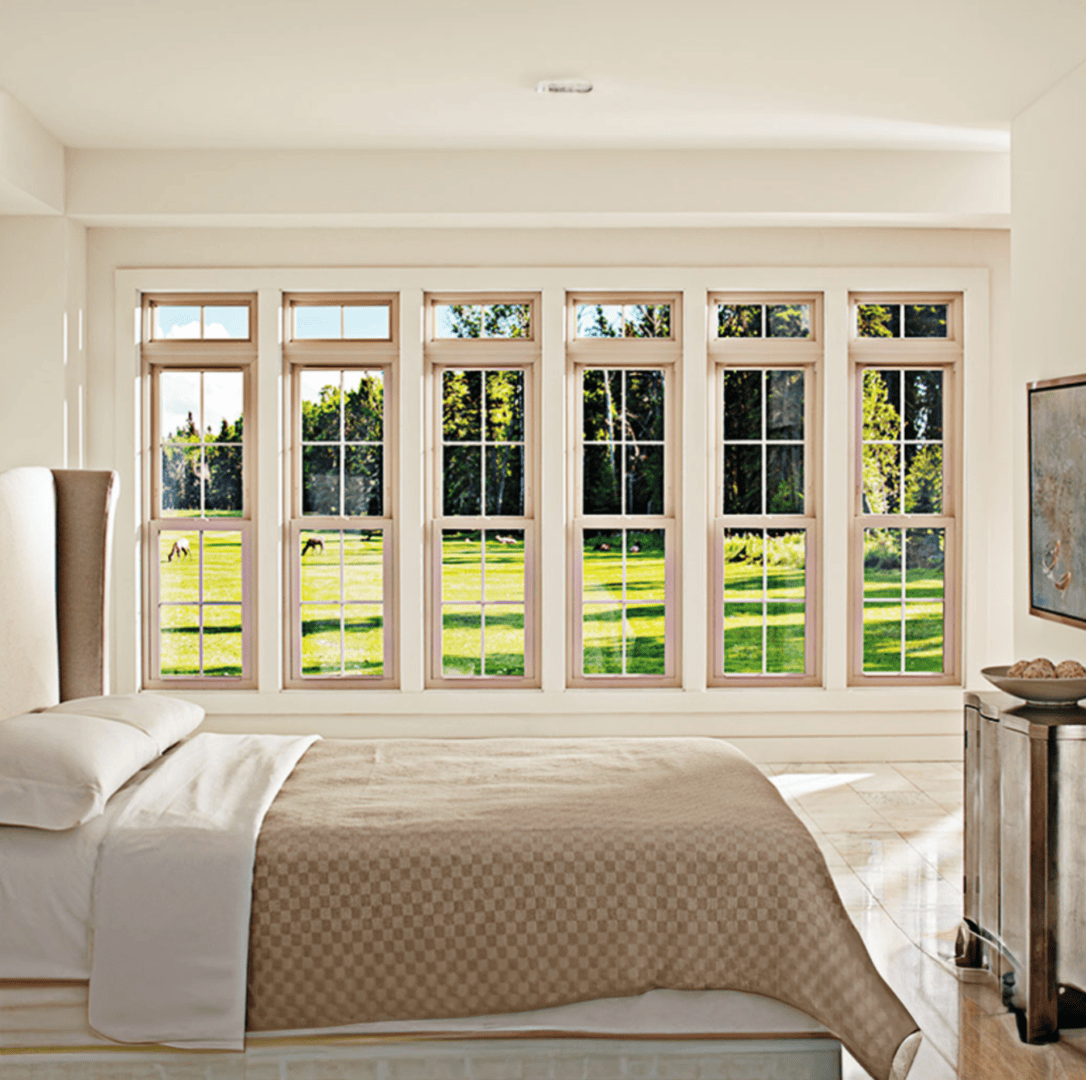
Classic Style With
Flexible Operation
Double-hung windows are one of the most common replacement window styles for Long Island homes. They offer a classic look, flexible ventilation, easy cleaning, and strong curb appeal for traditional and modern exteriors. Unlike picture windows that stay fixed or casement windows that swing outward, double-hung windows have two operable sashes that move up and down. JAGG Roofing, Siding, and Windows provides window installation, exterior remodeling, siding installation, and Windows & Doors services across Nassau County, Suffolk County, and surrounding Long Island communities. Their installation team can help homeowners compare energy-efficient windows, glass packages, frame options, patio doors, front entry doors, and other exterior upgrades.
Window Installation
Double-hung, casement, bay, bow, picture, and other replacement-window styles.
Glass and Frame Options
Low-E glass, argon gas, spacer systems, insulated packages, and vinyl framing.
Windows & Doors
Patio doors, sliding glass doors, French doors, and front, side, or rear entry doors.
Exterior Remodeling
Siding, trim, flashing, roofing, and exterior details coordinated around new openings.
Two Sashes in
One Window Frame
Double-hung windows have two movable sashes inside one frame. The top sash can move down, and the bottom sash can move up. This gives homeowners more control over airflow compared with a single-hung window, where only one sash usually moves. Many modern double-hung windows also include tilt-in sashes, which allow the glass to tilt inward for easier cleaning from inside the home. This feature is helpful for second-story bedrooms, living rooms, and areas where exterior access is difficult. Double-hung windows are often chosen for their balance of function, style, and long-term value.
Upper Sash Moves Down
Ventilation can be introduced through the top portion of the window.
Lower Sash Moves Up
The familiar lower sash provides convenient everyday operation.
Tilt-In Cleaning
Compatible sashes tilt inward so exterior glass can be cleaned from inside.
No Swing-Out Space
Vertical operation avoids projecting into exterior paths or interior room space.
Designed for Many Homes
and Everyday Rooms
Long Island homes face humid summers, cold winters, heavy rain, salt air, and seasonal temperature changes. Double-hung windows work well because they fit many home styles and provide controlled ventilation without taking up extra space inside or outside the room. They can be used in bedrooms, kitchens, dining rooms, hallways, and front-facing elevations where curb appeal matters. Homeowners in Nassau County, Suffolk County, and nearby New York communities often choose double-hung replacement windows because they blend with Colonial, Cape, ranch, split-level, and updated exterior designs. They are also a practical choice when replacing older drafty windows.
Colonial & Cape
Traditional vertical proportions complement classic Long Island façades.
Ranch & Split-Level
Flexible sizes and configurations fit many updated suburban elevations.
Bedrooms & Living Areas
Operable upper and lower sashes support airflow without projecting outward.
Older Drafty Windows
Modern glass, frames, seals, and weatherstripping can improve performance.
Match Each Opening With
the Right Window or Door
Double-hung windows are versatile, but they are not the only option. Casement windows open outward and can catch side breezes. Bay windows and bow windows project outward to create more depth and natural light. Picture windows stay fixed and are ideal for wide views. Sliding glass doors, French doors, patio doors, front entry doors, side doors, and rear doors may be included when a homeowner is upgrading several openings at once. The right window or door depends on room layout, ventilation needs, exterior design, safety requirements, and the homeowner’s budget.
Four Popular Styles
Compared
Double-hung windows are a strong fit when the homeowner wants classic style, vertical operation, and easy cleaning. Casement windows may be better where maximum ventilation and a tighter crank-style seal are priorities. Bay and bow windows are often selected when the goal is added dimension, curb appeal, and more natural light. Picture windows work best when the homeowner wants a large fixed view with no operation. In many Long Island homes, these window styles are combined. A design consultation can help match each room with the right replacement window style.
| Window Style | Operation | Common Priorities | Typical Placement |
|---|---|---|---|
| Double-Hung | Two vertically moving sashes | Classic appearance, controlled ventilation, easy cleaning | Bedrooms, living rooms, kitchens, front elevations |
| Casement | Crank-operated sash swings outward | Maximum ventilation and a tighter crank-style seal | Areas that benefit from catching side breezes |
| Bay or Bow | Projected multi-window assembly | Dimension, curb appeal, wider views, natural light | Living rooms and prominent front-facing walls |
| Picture | Fixed and non-operable | Large views, natural light, no ventilation requirement | Wide openings and rooms with other ventilation sources |
Compare the Complete
Window System
Energy efficiency is one of the main reasons homeowners replace old windows. Drafty windows can affect comfort, energy bills, and room temperature balance. Modern energy-efficient windows may include Low-E glass, argon gas, warm-edge spacer systems, insulated glass packages, vinyl framing, and improved weatherstripping. ENERGY STAR explains that residential windows, doors, and skylights must meet U-factor and, where applicable, solar heat gain coefficient requirements based on climate zone. The current ENERGY STAR performance levels became effective on October 23, 2023. Choosing windows that match Long Island’s climate can support comfort and energy savings.
Heat Transfer
Helps compare how well a fenestration product limits non-solar heat flow.
Solar Heat Gain
Shows how much solar heat enters through the complete window product.
Zone-Based Criteria
ENERGY STAR qualification levels vary by applicable climate zone and product type.
The current Version 7.0 performance levels became effective October 23, 2023, according to the official ENERGY STAR specification.
Components That Support
Window Performance
Low-E insulated glass helps control radiant heat transfer through the window glass. This can reduce unwanted heat gain in summer and heat loss in winter. Argon gas may be placed between glass panes to improve insulating performance. A warm-edge spacer separates panes at the edge of the insulating glass unit and can help reduce heat transfer near the frame. Vinyl framing and PVC fenestration products may also improve insulating qualities when designed and installed correctly. For Long Island homeowners, these energy-efficient components can help reduce drafts, protect against UV rays, and improve indoor comfort.
Low-E Coating
Helps control radiant heat transfer while allowing natural light through the glass.
Argon Gas
May be placed between panes to improve the insulating performance of the glass unit.
Warm-Edge Spacer
Separates panes and can help reduce heat transfer around the edge of the unit.
Vinyl & PVC
Can support insulating qualities when the product is properly designed and installed.
Read the Ratings
Beyond the Brand Name
Window labels help homeowners compare products beyond brand names or sales language. The National Fenestration Rating Council label shows U-factor, solar heat gain coefficient, visible transmittance, and air leakage ratings. These numbers help explain how the window handles heat loss, solar heat, daylight, and drafts. ENERGY STAR certification confirms that a product meets energy performance requirements for the applicable climate zone. The AAMA Gold Label, now managed through FGIA programs, has long been used for third-party verification of window, door, and skylight performance. These labels help homeowners compare window options more clearly.
Standardized energy-performance ratings help compare heat transfer, solar gain, visible light, and air leakage.
Review residential ratings →Certification confirms the product meets applicable energy-performance criteria for its climate zone.
Review product criteria →The Gold Label program provides third-party product testing and manufacturing quality-assurance verification.
Explore Gold Label certification →Performance Depends on
Proper Installation
The installation process matters as much as the window itself. A good double-hung window can still perform poorly if it is installed out of square, poorly sealed, or connected incorrectly to the siding and trim. Installation may include measuring the opening, reviewing unit size, removing the old window, preparing the frame, setting the new window, sealing gaps, installing nailing flanges when applicable, and finishing exterior trim. Brickmold casings, flashing, insulation, and caulking details help protect against water and air leaks. Proper installation services are especially important on Long Island because wind-driven rain can expose weak exterior details.
Measure and Review
Confirm opening dimensions, unit size, frame condition, and the appropriate replacement method.
Remove and Prepare
Remove the old window as required and prepare the frame or opening for the new unit.
Set and Seal
Install the unit square and secure, then seal and insulate surrounding gaps correctly.
Flash and Finish
Complete applicable flanges, flashing, brickmold, caulking, siding, and exterior trim details.
Protect the Complete
Wall and Opening
Window replacement often connects to other exterior remodeling needs. If the surrounding siding is damaged, loose, or poorly flashed, the new window may not solve the full problem. The same is true for old patio doors, sliding glass doors, French doors, front entry doors, side doors, and rear doors. These openings can allow drafts, water entry, and energy loss if they are outdated or poorly sealed. Reviewing siding installation, doors, and windows together can help protect the wall system. It can also improve curb appeal and create a cleaner finished exterior.
Surrounding Siding
Damaged, loose, or poorly flashed siding can affect water management around a new window.
Patio and Sliding Doors
Large openings should be checked for drafts, drainage concerns, and aging seals.
Entry and French Doors
Front, side, and rear doors can be coordinated for protection and curb appeal.
Trim and Flashing
Exterior finish details help connect windows, doors, and siding into one weather-resistant system.
Compare Products and
Verify the Details
Use these official and industry resources to review energy criteria, standardized ratings, product certification, current New York standards, and contractor licensing.
ENERGY STAR Windows and Doors
Review current residential window, door, and skylight criteria, climate-zone information, and energy-performance guidance.
ENERGY STAR guidance →NFRC Residential Ratings
Understand standardized U-factor, SHGC, visible transmittance, air leakage, and condensation ratings.
NFRC residential program →FGIA Gold Label Program
Learn about the AAMA Gold Label, third-party testing, manufacturing inspections, and the certified-products directory.
Gold Label overview →Nassau County Licensing
Nassau County provides home improvement contractor licensing information and an official license lookup.
Verify licensing →New York Building Standards
The Department of State publishes current Uniform Code and Energy Code information for New York projects.
Review NYS standards →JAGG Window Replacement
Review JAGG's available window styles, service approach, replacement considerations, and Long Island service information.
Explore JAGG windows →Double-Hung Window
FAQs
Schedule Double-Hung Window Installation on Long Island
JAGG Roofing, Siding, and Windows helps homeowners across Long Island compare double-hung windows, casement windows, bay windows, bow windows, picture windows, patio doors, siding, and roofing as part of a complete exterior plan. Their team serves Nassau County, Suffolk County, and surrounding New York communities with window replacement, installation services, design consultation, and customer service focused on practical recommendations. Whether your goal is better energy efficiency, improved curb appeal, easier cleaning, or updated Windows & Doors, request help through JAGG Roofing, Siding, and Windows to plan your double-hung window installation.