Your roof usually gives warnings before it fails. The problem is that many homeowners do not notice those signs until water damage, rising energy bills, or a roof leak starts affecting daily life inside the home. On Long Island, roofs deal with UV radiation, wind, rain, winter freeze-thaw cycles, and storm damage that can wear down roofing material over time. JAGG Roofing, Siding & Windows offers roof repair and replacement services on Long Island and helps homeowners understand when a simple repair may be enough and when a full roof replacement makes more sense.
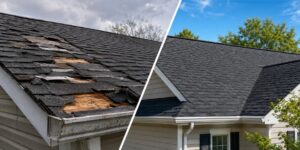
The most common damage indicators include missing asphalt shingles, cracked or curling roofing material, granule loss, granules in the gutter, water stains on ceilings, nail pops, algae growth, mildew growth, and soft areas that may point to roof deck trouble. These signs matter because they often show that water infiltration has already started or that the roof covering is losing its ability to protect the home. A professional roof inspection helps confirm whether the issue is isolated or widespread. For homeowners in Suffolk County and across Long Island, catching roof damage early can keep a smaller roof repair from turning into a much larger structural problem.
A small roofing issue rarely stays small for long. Water enters through one weak point, then spreads into underlayment, fascia boards, attic insulation, and even interior walls before the stain appears inside the house. That is why a minor roof leak can eventually lead to mold growth, wood rot, and damage to the gutter system or roof deck. Energy performance can also suffer when moisture and air leaks reduce insulation effectiveness. ENERGY STAR notes that sealing and insulating the home can help reduce heating and cooling costs, which is one reason roof condition and attic ventilation matter more than many homeowners realize.
Water stains are often the first visible clue, but they are usually not the first stage of the problem. By the time discoloration appears on a ceiling or wall, moisture may already be moving through hidden materials above it. That is what makes roof leaks so risky. Water infiltration can feed mildew growth, weaken framing, and create indoor air concerns if left untreated. On Long Island, repeated rain and storm exposure can speed that process up. A roof inspection helps locate the true source of the leak so the repair focuses on the cause instead of only the visible damage inside the home.
Granule loss is one of the clearest signs that asphalt shingles are aging. When granules begin collecting in gutters or around downspouts, the roof may be losing part of the surface protection that helps resist weather and UV radiation. Nail pops can also show movement under the shingles or changes in the roof deck that make the system less secure. These signs do not always mean the entire roof needs replacement right away, but they should not be ignored. They are often the early evidence that roofing material is wearing down and becoming more vulnerable to leaks and storm damage.
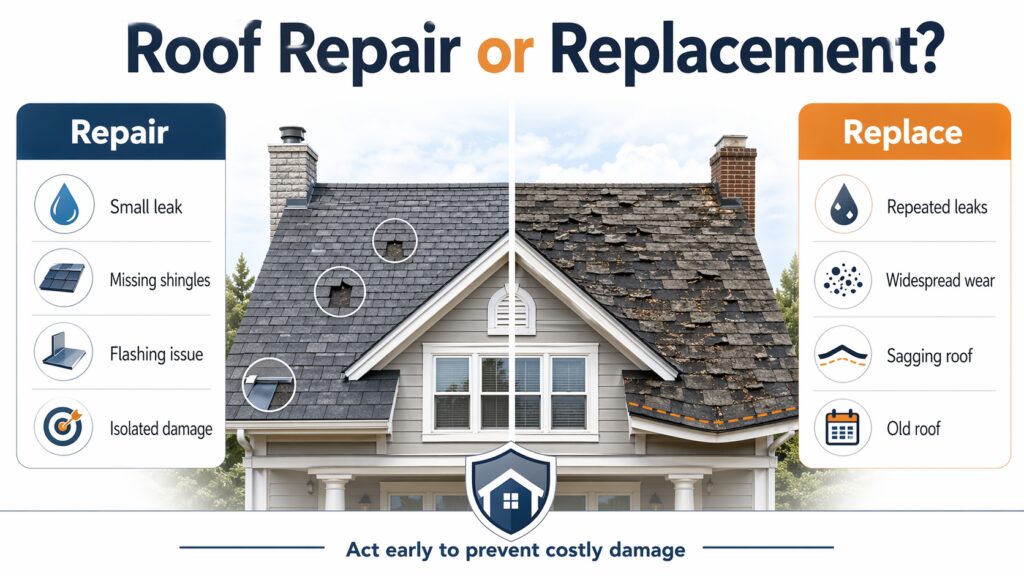
Roof repair is often the right answer when damage is limited to one area and the rest of the roof is still in good condition. A few missing shingles, isolated flashing damage, or a leak around a vent, chimney, or valley may be solved without replacing the full roof covering. Quick action matters because targeted repairs usually work best before water spreads into surrounding materials. For homeowners on Long Island, this can be the most practical path when the roof still has useful life left and the issue came from one event, such as recent storm damage or a localized installation failure.
Roof replacement becomes more likely when roofing issues are widespread, recurring, or tied to old age across the full system. If the roof has repeated leaks, broad granule loss, sagging areas, damaged decking, or many repairs in different locations, a replacement may be the smarter long-term investment. It can also make sense when the roof covering is close to the end of its useful life and repairs would only delay a larger problem. JAGG’s roof replacement explains how a new roof can improve protection, appearance, and peace of mind for Long Island homeowners.
Sometimes building codes allow roof recover or overlay work, but that does not mean it is always the best choice. The International Residential Code allows re-covering in some situations, but it also lists cases where it is not permitted, such as when the existing roof is water-soaked or deteriorated enough that the new layer would not perform properly.
That matters because covering old problems can trap moisture and hide damage in the roof deck below. For many homeowners, a full tear-off gives the roofing contractor a better view of the structure and creates a stronger base for long-term performance.
Homeowners insurance may help with roofing costs when the damage comes from a covered peril, but the answer depends on the insurance policy and the cause of the damage. Sudden events like wind or hail damage are more likely to be covered than long-term wear, neglect, or old age.
The Insurance Information Institute explains that coverage depends on the policy language and whether the loss came from a covered event, while settlement may be based on Replacement Cost Value or Actual Cash Value depending on the terms. For homeowners, that means documentation, photos, and a professional inspection are important if an insurance claim may be needed.
A roof in poor condition can make buyers worry about hidden costs, financing problems, and future repairs. A newer roof can reduce that concern and improve home value because it signals better protection and less immediate work after closing. It can also help curb appeal and support a smoother sale.
The exact market value impact depends on the home, location, and buyer expectations, but roof condition is often part of how buyers judge overall upkeep. For Long Island homeowners, replacing a failing roof before listing may create a stronger impression than trying to sell as-is with visible damage indicators.
There is no one perfect month for every home, but weather and scheduling both matter. Many homeowners prefer milder seasons because crews can work more comfortably and weather delays may be lower. Still, the best time is often when the roof condition makes action necessary.
Waiting for an ideal month can allow leaks, water damage, and mold growth to spread. If a roof has active problems, a licensed roofing contractor should inspect it as soon as possible. For Long Island homeowners, the best timing is usually the point where the roof can still be addressed in a controlled way before emergency conditions take over.
Not sure about your roof's condition? Let's take a look.
(631) 861-5428Different roofs age in different ways. Asphalt shingles, wood shingles, metal roofs, slate roofs, clay or concrete tiles, and architectural shingles all have different maintenance needs and different expected lifespans. Climate also matters. Long Island roofs face wind-driven rain, salt exposure, freeze-thaw stress, and summer heat that can speed up wear. The National Park Service notes that slate roofs can last a very long time when properly maintained, while metal roofing and impact-resistant shingles may also perform well when matched to the structure and installed correctly. That is why roof lifespan comparison guide articles can be useful, but the real answer comes from the condition of your actual roof after inspection.
Storm damage is not always dramatic, but it can still shorten the life of a roof. High winds can lift shingles, hail storms can bruise surfaces, and winter weather can lead to ice dams that force water back under the roof covering. Over time, thermal shock from repeated heating and cooling can also stress materials and fasteners. The Federal Emergency Management Agency explains that ice dams form when heat escaping from the home melts snow on the roof, which later refreezes at the colder edge and traps water behind it. For homeowners, that means attic ventilation, insulation, and preventive maintenance all play a role in how well the roof holds up.
Knowing when your roof needs repair or replacement comes down to watching for warning signs, understanding the age and condition of the roofing material, and acting before small issues become larger structural or moisture problems. Water stains, granule loss, roof leaks, storm damage, algae growth, and recurring repairs all point to the need for a closer look. In some cases, Roof Repair is enough. In others, Roof replacement is the safer and more cost-effective long-term solution. Homeowners who want a clearer next step can start with JAGG’s Long Island roof repair page or roof replacement page and schedule an inspection based on the condition of their home.